2026 Top Solar Energy System Trends You Need to Know?
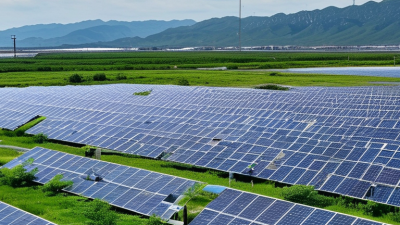
The solar energy system industry is evolving rapidly. Predictions from the International Energy Agency (IEA) suggest solar capacity could reach 4,500 GW by 2026. This growth invites both opportunities and challenges. Advances in technology and declines in costs drive adoption. However, challenges like energy storage and grid integration must be addressed.
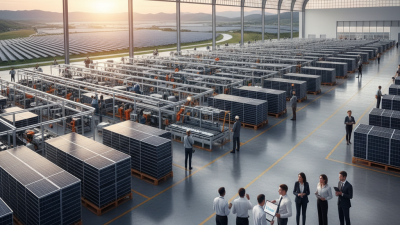
In 2023, solar energy systems contributed significantly to global power generation. Research shows they accounted for around 22% of new energy installations. Despite this progress, the industry faces hurdles in supply chain disruptions and regulatory changes. These issues highlight the need for strategic planning and innovation.
Investors and stakeholders should consider trends like bifacial solar panels and smart grid solutions. These technologies promise efficiency gains. However, the journey is complex, requiring collaboration and ongoing adjustments. Understanding these trends is crucial for making informed decisions in a growing market. Embracing this evolution is essential as we look toward 2026.
Emerging Technologies Driving Solar Energy Innovations in 2026
The solar energy landscape in 2026 is set for transformative changes. Emerging technologies are reshaping the way we harness sunlight. Solar panels are becoming more efficient, with new materials that capture a broader spectrum of light. This efficiency challenges traditional methods and pushes the industry to innovate. As we see advancements in perovskite solar cells, the potential for lower costs and easier production increases.
Energy storage solutions are also evolving. Batteries now hold more energy and recharge faster. This is crucial for solar energy’s reliability. Homeowners can store excess energy efficiently and use it when needed. However, the environmental impacts of battery production raise questions. It's essential to balance innovation with sustainability.
Artificial intelligence is playing a significant role in optimizing energy management. AI algorithms can predict energy production and consumption patterns. This allows for smarter grid systems. Nonetheless, reliance on technology carries risks. Cybersecurity must be prioritized to ensure energy systems remain secure. Continuous assessment and improvement are vital as we embrace these innovations in solar energy.
Integration of Energy Storage Solutions with Solar Power Systems
The integration of energy storage solutions with solar power systems is gaining traction in 2026. This trend is seen as crucial for maximizing the efficiency of solar energy. Solar panels generate electricity during the day. However, this energy needs to be stored for use at night or during cloudy days. Energy storage systems, like batteries, fill this gap effectively.
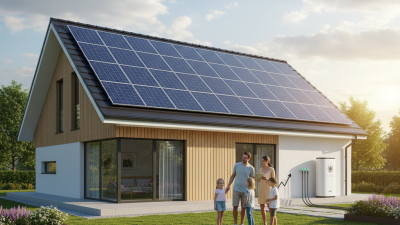
Advancements in battery technology are making these systems more accessible. Lithium-ion batteries remain popular, but emerging technologies like solid-state batteries may enhance safety and longevity. These innovations could lead to higher storage capacities and faster charging times. Homeowners and businesses alike are becoming more aware of these options. They want reliable energy solutions that reduce utility costs.
Yet, integrating these systems isn't without challenges. The initial costs can be significant, even if they lead to long-term savings. Additionally, not all solar installations are compatible with every energy storage solution. Proper assessment of energy needs is crucial. Users must consider their specific circumstances before making investments. As we move forward, continuous education on these technologies will be vital for consumers and industry professionals. This ongoing learning can drive awareness and address any misconceptions in the market.
Trends in Solar Panel Efficiency: What to Expect by 2026
As we approach 2026, the landscape of solar panel efficiency is evolving rapidly. One significant trend is the development of new materials that enhance energy conversion rates. Researchers are focusing on perovskite solar cells, which could offer higher efficiency at a lower cost. These advancements have the potential to significantly increase the power output of solar installations, making them more competitive with traditional energy sources.
Another noteworthy trend is the integration of artificial intelligence in solar technology. AI can optimize energy management, improving system performance and reducing waste. However, reliance on technology brings challenges. Businesses must ensure that these systems are secure and efficient. There is a growing need to address issues like data privacy and system vulnerabilities in the process.
Moreover, while efficiency gains are essential, durability remains a challenge. Solar panels need to withstand various environmental conditions without degrading. Innovations will likely focus on enhancing the lifespan of these systems, reducing the frequency of replacements. Continuous improvements need to be made, balancing efficiency, cost, and reliability to foster broader adoption of solar energy by 2026.
In summary, the next few years will see exciting developments. While challenges exist, the push for better and more efficient solar technology is undeniable. The journey isn’t perfect, and lessons will be learned along the way.
2026 Top Solar Energy System Trends You Need to Know
| Trend |
Expected Improvement |
Key Factors Driving Change |
Impact on Solar Adoption |
| Increased Solar Panel Efficiency |
Up to 25% |
Advanced materials and technology |
Higher energy production from smaller areas |
| Bifacial Solar Panels |
Up to 15% more energy |
Reflected sunlight and better land use |
Improved ROI for installations |
| Integration with Energy Storage |
Enhanced grid reliability |
Advancements in battery technology |
Increased reliance on renewable energy |
| Smart Solar Technology |
Enhanced efficiency through AI and IoT |
Data analytics and machine learning |
Improved user engagement and management |
| Lower Costs of Solar Technology |
Reduction of up to 30% |
Scaling production and new manufacturing techniques |
Broader accessibility to solar energy |
The Role of Smart Grids in Enhancing Solar Energy Utilization
The rise of smart grids plays a crucial role in the future of solar energy. Smart grids use advanced technology to manage electricity supply and demand more efficiently. They facilitate real-time data exchange, allowing homeowners and utilities to optimize energy use.
As solar power becomes more mainstream, smart grids can help integrate solar energy into the existing power infrastructure effectively.
More solar energy can be used when smart grids are in place. They can balance the intermittent nature of solar power generation. With tools like demand response and energy storage, consumers can store excess energy produced on sunny days. This stored energy can then be used during peak demand times, maximizing solar utilization and reducing reliance on fossil fuels.
Reflecting on our energy choices is important. Not all regions are ready for smart grid technology. Investments in infrastructure and training are necessary for a successful transition. Embracing innovative technologies can help consider both sustainable practices and practical challenges.
The future of solar energy hinges on how effectively we implement these solutions.
Government Policies and Incentives Influencing Solar Energy Adoption
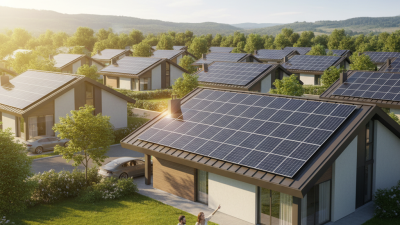
In 2026, government policies and incentives play a crucial role in solar energy adoption. Recent studies indicate that nations investing in solar have experienced a 20% increase in installations due to favorable regulations. For instance, tax credits and rebates encourage homeowners to transition to solar. These initiatives significantly reduce upfront costs, making solar energy more accessible.
Moreover, state-level mandates drive growth in renewable energy. Reports suggest that jurisdictions with solar quotas saw a 15% growth in solar capacity over five years. Consumer education programs funded by government grants also enhance public awareness. An informed population is more likely to invest in renewable technologies.
Despite progress, some challenges persist. Not all regions benefit equally from incentives, which can create disparities. Additionally, frequently changing regulations can confuse potential investors. Investors and consumers need to stay updated with policies to avoid missed opportunities. The evolving landscape requires ongoing attention and adaptability from all stakeholders involved.