2026 Top Types of Home Solar Systems for Global Buyers

Global home solar systems are entering a more practical, selective phase. Buyers are no longer choosing panels alone. They are comparing batteries, inverters, backup controls, warranties, installation quality, and local grid rules.

The International Energy Agency reported nearly 510 gigawatts of renewable capacity additions in 2023. Solar photovoltaic systems represented about three-quarters of that growth. Its 2024 World Energy Investment report also expected solar investment to exceed 500 billion dollars. These figures show strong momentum, but they do not guarantee equal value for every household. Roof direction, shade, humidity, electricity prices, and after-sales service still matter greatly.

“The world is set to add more renewable power in the next five years than in the previous 20 years,” said Fatih Birol, Executive Director of the IEA. His observation explains the market’s scale, yet household decisions remain intensely local. A compact hybrid system may suit a blackout-prone home in Southeast Asia. A grid-tied system may fit a sunny European property with reliable net-metering rules. Remote homes may need larger batteries and careful generator integration.

The SolarPower Europe Global Market Outlook 2024–2028 also highlights continued global solar expansion, including strong distributed-generation demand. Still, forecasts can miss sudden policy changes or equipment shortages. That is worth remembering.

This guide examines the top types of home solar systems for global buyers in 2026. It focuses on real equipment choices, measurable performance, safety, maintenance, and long-term ownership costs—not attractive specifications alone.

2026 Top Types of Home Solar Systems for Global Buyers

How Home Solar Systems Work and What Global Buyers Should Know

Home solar systems convert sunlight into usable electricity through photovoltaic panels. The panels produce direct current, while an inverter changes it into alternating current for household appliances. In a grid-tied system, surplus power may flow to the public grid, depending on local rules and metering. A hybrid system adds batteries, storing daytime energy for evening use or outages. Off-grid systems rely on batteries and backup generation, so accurate load estimates matter greatly.

The International Energy Agency Photovoltaic Power Systems Programme reported that global solar capacity exceeded 1.4 terawatts by the end of 2023. This growth does not make every system suitable for every home. A buyer in a sunny region may still face weak grids, seasonal rain, or limited roof space. During a site check, measure roof shading at different hours, not only at noon. Small shadows can reduce output more than expected. It is an easy detail to miss.

Cost comparisons should include batteries, installation, maintenance, permits, and replacement parts. IRENA’s Renewable Power Generation Costs in 2023 reported a 12% fall in solar photovoltaic electricity costs from 2022. However, household economics vary with electricity prices and export rules. Buyers should verify voltage, frequency, fire-safety requirements, and installer qualifications. Battery capacity also needs honest testing: a large battery is not automatically better. Oversizing can increase cost without improving daily use.

Grid-Tied Solar Systems for Homes With Reliable Utility Access

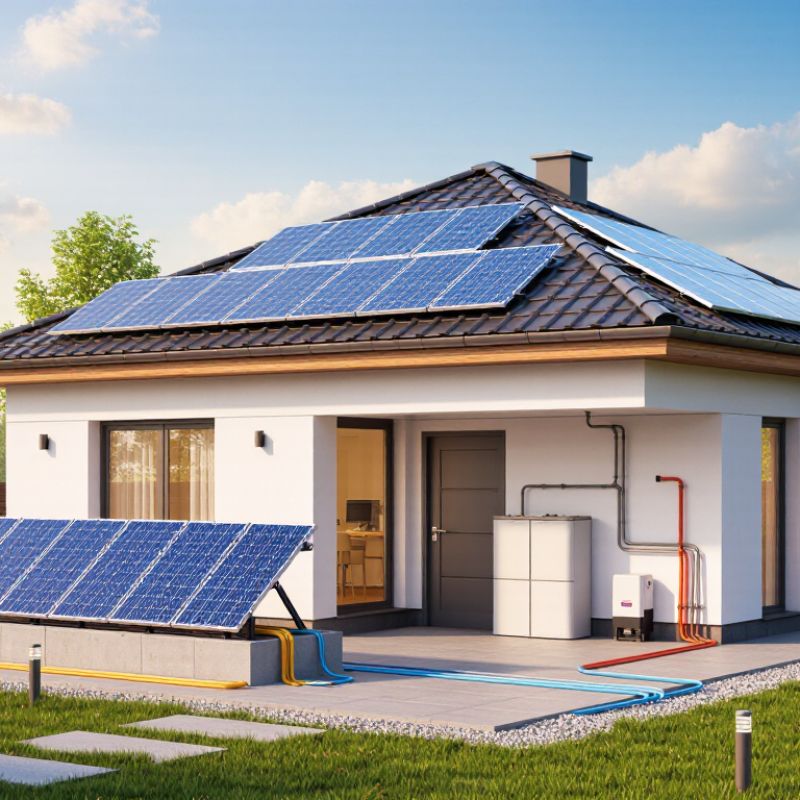
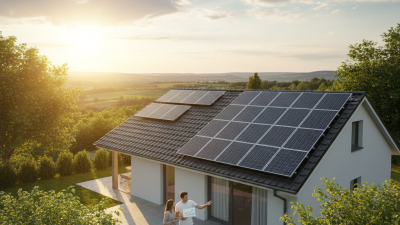
For homes with reliable utility access, grid-tied solar remains one of the simplest systems to evaluate in 2026. It connects rooftop panels to a household inverter and the public grid. When sunlight is strong, solar power serves lights, refrigerators, and heat pumps before grid electricity is used. Excess production may flow outward through a bidirectional meter. Compensation depends on local tariffs, export limits, and utility rules.

A professional assessment should examine roof direction, shading, wiring condition, and hourly electricity use. A south-facing roof is not automatically ideal everywhere. Seasonal sun angles matter. Installers should verify voltage compatibility, utility approval, grounding, and anti-islanding protection before commissioning. These details protect workers and help the system disconnect safely during outages. During a site visit, I would also compare midday generation with evening demand. That comparison often reveals an uncomfortable truth: high annual output may still leave expensive evening bills.

Grid-tied systems usually cost less than battery-backed systems because they avoid large storage equipment. They also provide no backup power during a blackout unless approved storage and special controls are added. That limitation is easy to overlook. Payback estimates should use recent bills, realistic degradation, maintenance allowances, and changing export policies. The economics are not always perfect. A smaller array may sometimes fit a home’s load better than the largest available roof design. Homeowners should request clear production assumptions, protection details, and written permission requirements before signing.

Off-Grid Solar Systems for Remote and Independent Living

Off-grid solar systems support remote homes, cabins, farms, and mobile work sites without a utility connection. They combine solar panels, batteries, an inverter, and charge controls. The array produces electricity during daylight. The battery stores energy for nights and cloudy periods. A backup generator may improve resilience, but it should not replace careful system sizing.

A reliable design begins with a daily energy audit. List lighting, refrigeration, water pumps, communication devices, and seasonal tools. A small refrigerator may consume more energy than several LED lamps. In colder regions, battery capacity must account for reduced performance. Dust, snow, shade, and high temperatures also affect production. Installers should check local electrical rules, grounding requirements, and battery safety standards before commissioning the system.

Practical experience shows that many buyers oversize panels but undersize batteries. That creates power during sunny afternoons and shortages before sunrise. It is an easy mistake. Leave room for future loads, especially medical equipment or workshop tools. Lithium-based batteries can offer useful cycle life, while other chemistries may suit tighter budgets or simpler maintenance. No design is perfect. Remote repairs are expensive, so clear monitoring, spare fuses, ventilation, and accessible components matter. Buyers should request load calculations, protection details, warranty conditions, and maintenance guidance from qualified professionals.

Top Types of Home Solar Systems for Global Buyers

Off-Grid Solar Systems for Remote and Independent Living

These reference configurations show how system scale affects estimated daily electricity generation. Values assume 4 peak sun-hours per day and 80% overall system efficiency, including temperature, wiring, inverter, and battery losses.

Hybrid Solar Systems With Batteries and Backup Power

Hybrid Solar Systems With Batteries and Backup Power

Hybrid solar systems combine photovoltaic panels, a bidirectional inverter, batteries, and a backup source. They store midday electricity for evening loads or outages. A refrigerator, router, medical device, and several lights can remain powered when the grid fails. That is the practical appeal. The International Energy Agency’s Batteries and Secure Energy Transitions report says global energy storage capacity must increase sixfold to 1,500 GW by 2030 in its net-zero pathway. This signals a system-level shift, not a passing feature.

Industry data supports stronger demand for flexible solar. The International Renewable Energy Agency reported 452 GW of solar additions in 2024, within 585 GW of total renewable capacity growth. More panels increase the value of storage, especially where evening tariffs or unreliable grids affect household costs. BloombergNEF’s 2024 survey placed average lithium-ion pack prices at US$115 per kWh, down 20 percent year on year. That is not a household installation quote. Wiring, enclosure, software, labor, and permitting still matter.

Buyers should size batteries by critical-load energy, not panel area alone. Size inverter power for starting surges from pumps or compressors. A separate critical-loads panel can prevent an electric heater from draining the battery overnight. In hot climates, ventilation and temperature control deserve attention. In cold climates, charging limits matter. Ask for documented round-trip efficiency, usable capacity, cycle warranty, islanding protection, and local certification. Real homes behave badly. A perfect forecast still misses cloudy mornings, guests, and aging batteries. That uncertainty should shape a conservative design.

How to Choose the Right Home Solar System for Your Market

Choosing a home solar system in 2026 requires local market judgment, not just panel efficiency. IEA PVPS reported 456 GW of new photovoltaic capacity in 2023, proving strong global demand. Yet household needs differ sharply. Grid-tied systems suit markets with reliable electricity and favorable export rules. Hybrid systems add batteries for evening use and short outages. Off-grid systems fit remote homes, but they require careful sizing and backup planning.

Weather, tariffs, and installer skills often matter more than headline power ratings. In hot regions, check temperature performance and ventilation space. In snowy areas, consider roof angle and seasonal production. Battery systems may be attractive where evening tariffs are high. However, replacement costs can weaken their financial case. IRENA’s Renewable Capacity Statistics 2025 recorded solar capacity exceeding 1.8 TW worldwide. That scale supports mature supply chains, but local availability remains uneven. Some figures vary between reports. That uncertainty matters.

Tips: Compare a year of household electricity bills before choosing system size. Request simulations using local sunlight data, not national averages. Confirm battery warranty terms, recycling arrangements, and installer training. For weak grids, prioritize backup circuits for lights, refrigeration, and communications. For remote homes, reserve space for extra batteries. A cheap system can become expensive after one harsh season. Conversely, oversizing may leave useful equipment idle. Recheck assumptions with an independent energy professional.

2026 Top Types of Home Solar Systems for Global Buyers - How to Choose the Right Home Solar System for Your Market

System Type Typical Home Configuration Battery Requirement Backup During Grid Outage Typical Round-Trip Efficiency Best-Fit Markets and Applications Main Advantages Main Limitations Key Selection Factors
Grid-Tied Solar System Solar modules, grid-connected inverter, mounting structure, protection devices, and a bidirectional utility meter. Not required. Normally no. Standard grid-tied inverters shut down during a utility outage for anti-islanding safety. Approximately 96%–99% through the inverter, depending on equipment and operating conditions. Areas with reliable electricity grids, net-metering or export-credit programs, and high daytime household consumption. Lowest equipment cost among the main system types; simple operation; strong daytime bill reduction; no battery replacement cost. Solar energy cannot normally be used during a grid failure; savings depend on local export rules and electricity tariffs. Grid reliability, export compensation, roof orientation, shading, inverter standards, and local interconnection requirements.
Hybrid Solar System Solar modules, hybrid inverter, battery storage, essential-load panel, protection equipment, and optional grid or generator connection. Yes. Common residential storage sizes are approximately 5–20 kWh, depending on the backup load and desired autonomy. Yes, when the inverter, battery, and backed-up circuits are correctly sized and installed. Approximately 85%–95% for a complete battery charge-and-discharge cycle; actual results vary by battery chemistry, temperature, power level, and inverter architecture. Markets with frequent outages, time-of-use tariffs, limited export compensation, or high evening electricity demand. Combines bill savings with backup power; stores surplus daytime energy; can support load shifting and, where permitted, backup generator integration. Higher purchase cost, more complex installation, battery aging, and possible capacity loss in cold or hot conditions without suitable thermal management. Critical-load definition, battery usable capacity, continuous and surge power, backup transition time, operating temperature, and warranty terms.
Off-Grid Solar System Solar modules, off-grid inverter or inverter-charger, battery bank, charge-control equipment, distribution board, and often a backup generator. Yes. Storage is essential for night-time use and periods of low solar production. The property is independent of the utility grid; backup duration depends on battery capacity, solar resource, and load management. Approximately 75%–92% from solar generation to AC household use after charge, discharge, and conversion losses. Remote homes, islands, rural properties, weak-grid locations, and sites where grid extension is expensive or unavailable. Energy independence; avoids utility connection costs; suitable for remote locations; can be designed around essential loads. Requires careful energy planning; larger battery and solar capacity may be needed; prolonged cloudy weather can require load reduction or generator support. Daily and seasonal energy demand, worst-month solar irradiation, battery autonomy, generator strategy, water-pumping loads, and maintenance access.
AC-Coupled Solar and Storage System An existing or new grid-tied solar inverter combined with a separate battery inverter and battery bank. Yes for storage operation; the solar array itself can operate without a battery when the grid is available. Usually yes, if the battery inverter provides an islanded backup output and the essential-load circuits are separated. Approximately 80%–93% for solar-to-battery-to-load pathways because energy may undergo multiple AC/DC conversions. Homes upgrading an existing solar installation, especially where replacing a functioning solar inverter is undesirable. Flexible retrofit option; can add storage to many existing systems; separates solar and battery inverter functions. Additional conversion losses; backup compatibility must be verified; existing inverter age and communication protocols can affect performance. Existing inverter compatibility, backup architecture, export-control requirements, available space, and total retrofit cost.
DC-Coupled Solar and Storage System Solar modules connected to a hybrid inverter or shared DC power-conversion system with a battery connected on the DC side. Optional for basic grid-tied operation but required for storage and backup functions. Yes, when the hybrid inverter includes backup capability and the system is configured for islanded operation. Approximately 85%–96% for solar-to-battery pathways, with potentially fewer conversion steps than AC-coupled designs. New-build installations where solar generation and battery storage are planned together, particularly where clipping reduction is valuable. Efficient battery charging from solar; may capture energy that would otherwise be limited by inverter capacity; compact integrated design. Less convenient for some retrofits; component compatibility and maximum DC voltage must be carefully checked; system expansion may be limited. Array-to-inverter sizing, battery voltage range, maximum DC input, future expansion, shading, and local electrical-code compliance.
Solar System with Generator Support Solar array, battery storage, hybrid inverter or inverter-charger, and an automatically or manually controlled backup generator. Strongly recommended and commonly required for efficient generator operation and reduced fuel consumption. Yes. The battery can cover short interruptions while the generator supports extended low-solar periods or heavy loads. Approximately 75%–93% for solar and battery pathways; generator fuel efficiency depends on loading and operating conditions. Remote regions, areas with long outages, critical residential loads, and locations with seasonal storms or highly variable solar availability. High resilience; reduces generator runtime; supports heavy or extended loads; provides a practical solution for low-sun periods. Higher installation and maintenance complexity; fuel, noise, emissions, and generator servicing remain part of the operating model. Generator compatibility, automatic-start controls, fuel availability, required runtime, noise restrictions, critical-load power, and maintenance capability.
Reference notes: Performance ranges are typical residential planning values rather than guaranteed results. Actual output depends on solar irradiation, module orientation and tilt, shading, temperature, system design, battery chemistry, inverter loading, local regulations, and household consumption patterns. Battery capacity refers to nominal capacity unless stated otherwise; usable capacity is lower according to the permitted depth of discharge.
© 2025 Australian Premium Solar