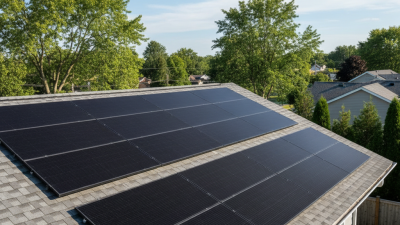
Top 10 Benefits of Residential Solar Panels for Homeowners?
In recent years, residential solar panels have gained immense popularity among homeowners. The rise of these panels is driven by their ability to provide a sustainable energy solution. Homeowners are increasingly looking for ways to reduce their reliance on traditional energy sources.
The benefits of residential solar panels extend beyond mere energy savings. They offer financial incentives, environmental advantages, and increased home value. These panels can help lower monthly utility bills significantly. Additionally, solar energy reduces carbon footprints, contributing to a healthier planet.
Investing in residential solar panels might seem daunting. Some may worry about the initial costs and installation processes. However, many homeowners find the long-term savings worthwhile. Engaging with reliable solar providers can alleviate concerns and ensure a successful transition to solar power. Ultimately, the decision to adopt this technology requires careful thought and consideration.

Advantages of Reduced Electricity Bills from Solar Energy
Residential solar panels provide substantial benefits, especially in reducing electricity bills. According to the U.S. Department of Energy, homeowners with solar systems can save an average of $1,500 annually on utility costs. This saving occurs because solar panels generate free electricity from sunlight. As a result, homeowners can lower their reliance on grid power, which fluctuates in price.
Additionally, the National Renewable Energy Laboratory reports that a typical solar panel system can offset 60-80% of a household's electricity consumption. These figures suggest significant financial relief, particularly in areas with high electricity rates. However, upfront installation costs can pose a challenge. While many programs offer incentives, the initial investment can be daunting for some homeowners.
Moreover, solar energy contributes to environmental benefits, though not all panels are created equally. Some may have a lower efficiency, leading to lesser savings. Homeowners should carefully evaluate their options to find a reliable, high-quality system. Evaluating local energy rates, shading issues, and the orientation of the home are crucial for maximizing benefits. Investing in a solar panel system can be a transformative decision, but it requires thorough research and reflection.
Top 10 Benefits of Residential Solar Panels for Homeowners
| Benefit |
Description |
Estimated Savings (%) |
| Reduced Electricity Bills |
Solar panels can significantly decrease your monthly energy expenses. |
50-90% |
| Increased Home Value |
Houses with solar systems often sell for more due to lower energy costs. |
3-4% Increase |
| Tax Incentives |
Many governments offer tax credits for solar panel installation. |
Up to 30% |
| Environmental Benefits |
Using solar reduces carbon footprint and reliance on fossil fuels. |
N/A |
| Energy Independence |
Solar energy can reduce dependence on grid electricity. |
N/A |
| Low Maintenance Costs |
Solar panel systems require minimal maintenance after installation. |
N/A |
| Job Creation |
The solar industry creates numerous jobs in installation and maintenance. |
N/A |
| Adaptability |
Solar systems can be installed on a variety of building types. |
N/A |
| Grid Stability |
Distributed solar generation can reduce strain on national grids. |
N/A |
Environmental Impact of Solar Panels for Sustainable Living
Residential solar panels offer significant environmental benefits, contributing to sustainable living. According to the National Renewable Energy Laboratory (NREL), solar energy can reduce carbon dioxide emissions by over 80% compared to fossil fuels. This reduction is crucial as the world grapples with climate change and air pollution.
Solar panels harness sunlight, producing clean energy. This shifts our reliance away from non-renewable sources. In fact, the U.S. Environmental Protection Agency (EPA) states that a typical home solar system can offset the pollution equivalent to planting over 100 trees each year. This adds up to a more sustainable ecosystem, encouraging biodiversity.
Tips: To maximize your solar impact, consider energy efficiency upgrades in your home. Simple actions, like sealing drafts, can enhance your overall energy savings. Regularly maintain your solar system for optimal performance too. Pay attention to shading from trees; even small obstructions can affect output.
While the benefits are clear, challenges exist. Installation costs remain a barrier for many. Additionally, the recycling of solar panels poses questions as technology evolves. Understanding these issues is crucial for informed decisions.
Increase in Home Value Through Solar Panel Installation
Installing residential solar panels can significantly increase a home’s value. According to a study by Zillow, homes with solar installations sell for about 4.1% more than similar homes without them. In some markets, this premium can be even higher. As energy prices rise, more buyers are seeking homes with solar panels, recognizing the long-term savings potential.
In addition to cost savings, solar panels add an attractive feature. They signal sustainability, appealing to environmentally conscious buyers. A report from the National Renewable Energy Laboratory found that potential buyers often view homes with solar as more desirable. They appreciate lower utility bills and reduced carbon footprints.
Tip: Maintain your solar system regularly. Keeping it clean and functional enhances its appeal and value. A neglected system could deter buyers, despite the home's overall advantages.
Not every home is suitable for solar. Factors like roof orientation and local regulations matter. Sellers need to assess these conditions carefully. Homes in areas with high sunlight exposure usually see the most value increase.
Tip: Consult a local solar expert to understand your home's solar potential. They can provide insights tailored to your specific situation.
Tax Incentives and Rebates for Homeowners Going Solar
Tax incentives and rebates play a vital role for homeowners considering solar panels. Many states offer tax credits that significantly reduce upfront costs. In some cases, these credits can cover a substantial portion of your installation expenses. This makes solar more accessible than ever.
Utility companies may also provide rebates for solar installations. This helps homeowners save even more. It’s important to check local programs to maximize potential savings. Each program has specific requirements, so be prepared to do your homework.
Tip: Keep all documentation from your solar installation. It can be essential when filing for incentives. Look out for updates on tax incentives, as they can change frequently. The benefits of going solar are not only financial; they contribute to a sustainable future. However, homeowners should assess their situation carefully. Evaluate your energy needs and the long-term commitment required for solar energy.
Energy Independence and Reliability with Residential Solar Systems
Energy independence brings peace of mind for homeowners. By installing residential solar panels, families can generate their own electricity. This reduces reliance on traditional power grids. Many homeowners find they enjoy lower monthly bills. Over time, these savings can be significant.
Tips: Regularly check your solar system's performance. Keeping panels clean ensures optimal energy production. Monitoring energy use can also help maximize savings.
Reliability is another crucial benefit. Unlike conventional energy sources, solar power is less vulnerable to outages. Homeowners appreciate knowing their energy supply is stable. Weather patterns can be unpredictable, yet solar systems often perform well in various conditions. Sometimes, efficiency may drop during extreme weather, so planning for backup options is wise.
Tips: Consider investing in energy storage solutions. Batteries can hold excess energy for cloudy days or nighttime use. Understanding energy consumption patterns also helps in better planning.