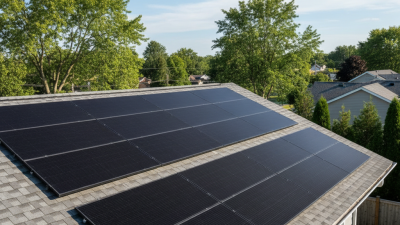





Solar panel installation offers homeowners numerous advantages in today's world. This renewable energy source can significantly reduce electricity bills over time. Many families find the transition to solar energy to be both economical and environmentally friendly.
By harnessing sunlight, homeowners can generate their own electricity. This can lead to energy independence and less reliance on traditional power sources. It's an appealing option for those looking to increase their property value as well. In many areas, local incentives enhance the benefits of solar panel installation.
However, it's important to recognize that solar panel installation requires careful consideration. Not every home is suitable for solar installations due to factors like roof orientation or shading. Homeowners must weigh the upfront costs against long-term savings. Ultimately, understanding all aspects of this decision is crucial for making an informed choice.

Installing solar panels in your home offers significant financial savings. According to the U.S. Department of Energy, homeowners can reduce their electricity bills by 50% or more with a solar energy system. This drastic reduction translates into thousands of dollars saved over the system's lifetime.
Additionally, the initial investment in solar panels may seem high, but various incentives exist. Federal tax credits can cover up to 26% of installation costs. Furthermore, many states provide additional rebates and financial programs. These incentives can lead to quicker return on investment, often within five to ten years, depending on energy consumption.
It's important to consider, however, that solar energy is not a one-size-fits-all solution. Factors like installation costs and local energy prices can impact overall savings. Not every home is suitable for solar panels due to orientation or shading from trees and buildings. It's crucial to evaluate your specific situation and consult with professionals for tailored advice on your potential savings.
The installation of solar panels has proven to be a game changer for many homeowners. A report from the U.S. Department of Energy indicates that solar energy can reduce energy bills by up to 70%. This significant reduction highlights the financial benefits of switching to solar energy. Over time, these savings can add up, leading to substantial returns on your initial investment.
Long-term, solar energy solutions provide stability against rising utility rates. The Energy Information Administration noted that electricity prices have increased by 15% over the past decade. Homeowners with solar panels can hedge against these rising costs. They generate their electricity, thus gaining a level of independence from fluctuating energy markets. This independence can be particularly valuable as the energy landscape continues to evolve.
While solar panel installation often involves a hefty upfront cost, many financing options are available. Tax incentives, rebates, and financing programs can alleviate financial burdens. However, it’s essential to conduct thorough research before proceeding. Every home has unique energy needs. Additionally, local regulations and incentives can vary significantly. Understanding the fine print is crucial to maximizing benefits.
The installation of solar panels can significantly boost your home’s value. According to a report from the National Renewable Energy Laboratory, homes with solar panels sold for an average of 4.1% more than comparable homes without them. This increase translates to approximately $15,000 on a $350,000 home. Buyers are keenly interested in energy efficiency. Solar panels not only reduce utility bills but also provide an eco-friendly appeal.
Investing in solar panels is a smart choice for homeowners. Prospective buyers are increasingly seeking energy-efficient homes as energy prices continue to rise. A study by Zillow revealed that 80% of buyers are willing to pay more for sustainable features. Having solar panels makes your property stand out in a crowded market. While initial installation costs can be significant, the long-term financial benefits are substantial.
Tips for maximizing your return: Consider local market conditions before installation. In some regions, solar panel installation can offer a high return on investment. Ensure the quality of the installation; poor workmanship may deter potential buyers. Lastly, check for state and local incentives that make solar more financially appealing. These can further enhance your property's value while promoting sustainability.
| Benefit | Impact on Home Value (%) | Average Increase in Value ($) | Payback Period (Years) |
|---|---|---|---|
| Energy Cost Savings | 3-4% | $15,000 - $20,000 | 5-7 |
| Environmental Impact | 2-3% | $10,000 - $15,000 | 6-8 |
| Increased Market Demand | 4-5% | $20,000 - $25,000 | 4-6 |
| Tax Incentives and Rebates | Varies | $10,000 - $30,000 | N/A |
| Energy Independence | 2-3% | $10,000 - $15,000 | 6-8 |
Solar energy is a powerful solution for reducing our carbon footprint. By harnessing the sun's energy, homeowners can significantly lessen their dependence on fossil fuels. This shift not only cuts greenhouse gas emissions but also promotes a healthier environment. Solar panels generate clean energy with no harmful pollutants, directly benefiting the atmosphere.
Implementing solar energy systems can sometimes be challenging. Installation requires an upfront investment and home modifications. However, the long-term savings on utility bills and available incentives can often offset these initial costs. Many homeowners find that, after installation, their energy independence increases, leading to greater satisfaction.
**Tip:** Research local incentives for solar energy. Many regions offer tax credits or rebates that can lower costs.
Another consideration is maintenance. While solar panels need minimal upkeep, occasional cleaning and inspections are essential. This step ensures optimal performance. It’s wise to check for dust or debris, especially in dryer climates.
**Tip:** Regularly monitor your energy output. If performance drops, it might be time to call a professional.
By taking these steps, homeowners can enjoy the benefits of solar energy while contributing to a sustainable future.
Government incentives play a crucial role in making solar panel installation more accessible for homeowners. Incentives like tax credits and rebates can significantly reduce upfront costs. For instance, some states offer rebates that cover a portion of the installation expense. This can make the switch to solar energy more appealing.
Tax credits provide another layer of financial relief. Homeowners can often deduct a percentage of the installation cost from their federal taxes. This measure effectively decreases the overall financial burden. However, not all homeowners may fully understand these incentives, which can lead to missed opportunities.
Navigating the various programs can feel overwhelming. Each state has different rules and deadlines. Some homeowners might hesitate to take the plunge due to confusion over how to apply for these benefits. Consulting local resources or professionals can clarify options. Empowering yourself with knowledge is essential. Only then can you truly reap the benefits of solar energy.
No, I will think about it in future.