Top 10 Benefits of Solar Power Installation for Global Buyers?
The global shift towards renewable energy has made solar power installation a popular choice among consumers. This transition is not just about reducing carbon footprints; it offers numerous financial and environmental advantages. As climate change accelerates, buyers are increasingly aware of their energy choices.
One significant benefit of solar power is cost savings. Installing solar panels can drastically reduce electricity bills over time. In many regions, government incentives make these installations even more appealing. However, some potential buyers may hesitate due to initial costs or maintenance concerns. It’s essential to weigh these factors carefully.
Moreover, solar power enhances energy independence. With the ability to generate their own electricity, consumers are less reliant on fossil fuels. This autonomy fosters a sense of security, especially in uncertain energy markets. Despite these benefits, the installation process can be complex, requiring expert consultation and planning. Ultimately, understanding these factors lays the foundation for a smart investment in solar power.
Overview of Solar Power and Its Growing Popularity Globally
Solar power has seen a remarkable increase in adoption around the world. In 2022 alone, global solar capacity reached over 1,100 gigawatts, according to the International Renewable Energy Agency (IRENA). This growth reflects a broad shift toward sustainable energy sources. Countries like China, the U.S., and Germany lead the way in installations, highlighting solar's versatile application across diverse climates.
The appeal of solar power stems from its environmental benefits and cost-effectiveness. Data suggests that solar energy can reduce greenhouse gas emissions significantly. A 2021 report from the National Renewable Energy Laboratory (NREL) highlighted potential savings of over $13 billion annually for the U.S. from nationwide solar adoption. Despite the upfront costs, buyers see long-term financial benefits through decreased utility bills. The forecast indicates a compound annual growth rate of over 20% in the solar power market by 2028, emphasizing its growing viability.
However, challenges remain in solar's widespread adaptation. Not all regions have the same access to sunlight, which can limit effectiveness. Infrastructure challenges exist, particularly in rural areas. Additionally, solar panel disposal poses environmental questions that warrant consideration. Industry stakeholders must address these issues to enhance solar's long-term viability and accessibility.
Economic Benefits of Installing Solar Power Systems
The economic benefits of installing solar power systems are significant for global buyers. According to the International Renewable Energy Agency (IRENA), solar power can reduce electricity bills by up to 30%. This reduction can substantially lower household and business expenses, enabling funds to be redirected towards other vital areas.
Investing in solar energy also increases property value. A study by the Lawrence Berkeley National Laboratory found that homes with solar panels sell for approximately 4.1% more than similar homes without them. This quantifiable increase is appealing to many buyers. Additionally, the renewable energy sector creates jobs. IRENA reports that the solar industry alone employed over 3.8 million people worldwide in 2021, highlighting its importance for economic growth.
However, challenges exist. The initial costs for solar installation can be daunting for many. Although incentives and financing options are available, they require careful navigation. Long-term savings often offset these costs, but the upfront investment remains a hurdle. This situation forces potential buyers to weigh immediate expenses against future benefits, leading to a need for better financial education in the sector.
Environmental Advantages of Solar Energy for Sustainable Development
Solar energy stands out for its environmental benefits. Utilizing sunlight reduces reliance on fossil fuels. According to the International Renewable Energy Agency (IRENA), solar power can cut greenhouse gas emissions by up to 1.5 gigatons annually. This significant decrease plays a crucial role in combating climate change.
Moreover, solar installations promote air quality improvement. A report from the U.S. Department of Energy indicates that transitioning to solar can eliminate thousands of tons of harmful pollutants. These include sulfur dioxide and nitrogen oxides, which are known to cause respiratory issues. Clean air and reduced pollution contribute to better public health.
However, there are challenges in solar energy adoption. Not all regions receive ample sunlight year-round. This can hinder energy efficiency. Additionally, the production and disposal of solar panels raise environmental concerns. It's essential to weigh these factors against the substantial benefits solar energy offers for sustainable development.
Energy Independence: How Solar Power Reduces Reliance on Fossil Fuels
Solar power offers a pathway to energy independence. By harnessing the sun's energy, people can reduce their reliance on fossil fuels. This shift creates stability in energy costs and enhances environmental health. Solar installations can help mitigate the impact of volatile oil markets.
Many buyers worry about the initial investment. However, the long-term savings on utility bills can outweigh the upfront costs. Installing solar panels can yield significant returns over time. Additionally, government incentives and rebates can ease financial burdens.
**Tip:** Research local solar energy programs. They often provide valuable information on installation and rebates.
Using solar energy also fosters a sense of community. Neighbors can collaborate on sustainable projects. However, there are challenges. Not all homes are suitable for solar. Roof orientation and shading can affect efficiency.
**Tip:** Consider a professional assessment for your property. This can help identify the best solar solutions for your needs. Embracing solar power requires careful thought, but the benefits can be profound and lasting.
Top 10 Benefits of Solar Power Installation for Global Buyers
This chart illustrates the top 10 benefits of solar power installation for global buyers, emphasizing the importance of energy independence and reduction of reliance on fossil fuels.
Technological Innovations Enhancing Solar Energy Efficiency and Accessibility
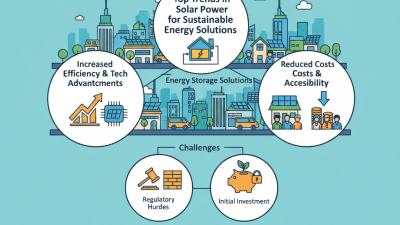
Technological innovations are reshaping solar energy today. Advanced solar panels feature increased efficiency rates. New materials, like perovskite, enhance energy conversion. This shift optimizes power generation even in low-light conditions. Lower costs make solar solutions more accessible.
Energy storage technology has also progressed. Batteries with longer lifespans allow users to store excess power. Improved grid integration offers seamless electricity flow. Smart inverters help regulate energy distribution. These developments empower buyers to utilize solar energy effectively.
However, challenges remain. Not all regions have equal access to these technologies. Installation costs can be high in some areas. Moreover, maintenance knowledge is crucial for optimal performance. Buyers should be aware of local laws governing solar power. These factors can affect overall effectiveness.
Top 10 Benefits of Solar Power Installation for Global Buyers
| Benefit |
Description |
Impact |
| Cost Savings |
Reduction in electricity bills through renewable energy source. |
Long-term financial benefits. |
| Environmental Impact |
Significant reduction in greenhouse gas emissions. |
Fosters sustainable practices. |
| Energy Independence |
Decreases reliance on fossil fuels and imported energy. |
Enhanced national security. |
| Increased Property Value |
Homes with solar installations often have higher market value. |
Attractive to potential buyers. |
| Job Creation |
Growth in solar industry generates new employment opportunities. |
Boosts local economies. |
| Technological Advancements |
Innovations lead to improved efficiency of solar panels. |
More energy generation per unit area. |
| Low Maintenance Costs |
Solar systems typically require minimal upkeep. |
Long-term savings. |
| Government Incentives |
Various tax rebates and subsidies available for solar users. |
Encourages adoption of solar technology. |
| Energy Storage Solutions |
Advancements in battery technology allow for energy to be stored for later use. |
Increased energy reliability. |
| Accessibility and Affordability |
Progressive financing options make solar more affordable for everyone. |
Broadens market reach. |