







China Top 10 Solar Power System Manufacturers in 2026?
China’s solar manufacturing sector remains central to the global energy transition in 2026. This guide examines ten leading Chinese solar power system manufacturers and their practical strengths. It considers modules, inverters, batteries, monitoring platforms, and complete project integration.
The selection focuses on measurable factors. These include production scale, conversion efficiency, product reliability, warranty support, certification, financial stability, and international service coverage. Field performance also matters. A system on a dusty factory roof faces different challenges from one in a desert utility project. Brands such as LONGi, JinkoSolar, Trina Solar, JA Solar, Sungrow, and others may appear because of their broad market influence.
Fatih Birol, Executive Director of the International Energy Agency, said, “Solar PV is becoming the new king of electricity markets around the world.” His observation explains the growing importance of dependable suppliers, not only low prices. Yet rankings are never perfect. Shipment data can change quickly. Corporate results may also vary across regions and product categories.
This article therefore avoids treating one company as the universal winner. A strong manufacturer may offer excellent panels but weaker storage integration. Another may provide powerful software but limited local maintenance. Readers should compare technical documents, independent test results, installer experience, and service conditions before deciding. Small details matter, such as connector quality, replacement times, and performance during grid interruptions. The best solar power system is not always the most famous one. It is the system that fits the site, budget, climate, and long-term operating plan.
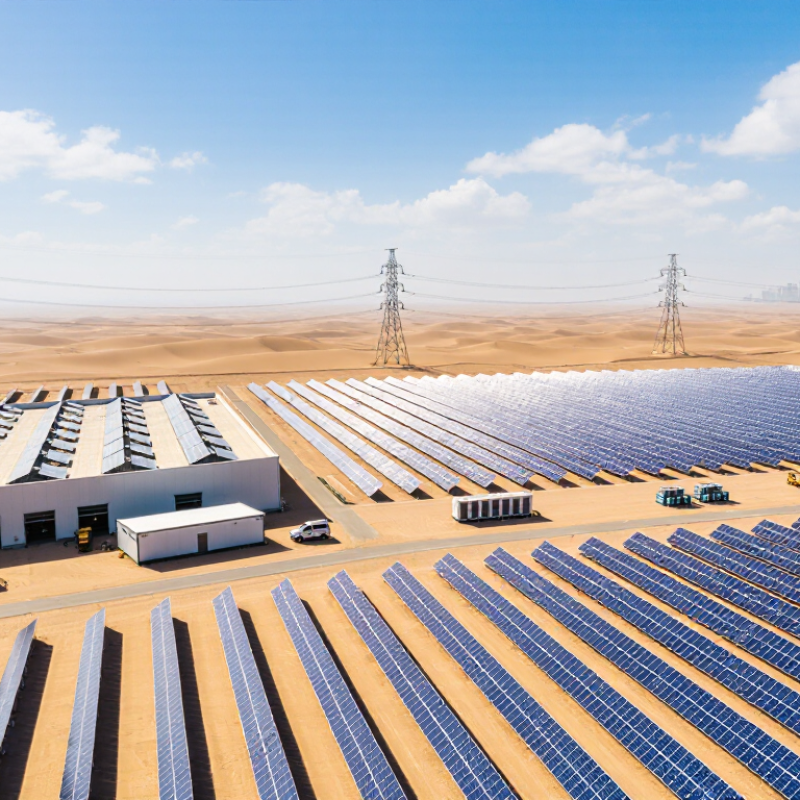
Table of Contents
[Hide]
China’s Solar Power System Manufacturing Landscape in 2026
China’s Solar Power System Manufacturing Landscape in 2026
China’s solar manufacturing landscape is shifting from panel volume toward complete, integrated power systems. Leading manufacturers now combine modules, inverters, batteries, mounting structures, and energy management software. The strongest candidates for a top-ten list are not chosen by factory size alone. Their ranking depends on verified output, bankability, service coverage, and project performance.
Field experience shows that system quality often appears in small details. Cable connectors must resist dust and moisture. Battery cabinets need clear thermal protection. Inverters should maintain stable output during cloudy mornings and sudden load changes. Manufacturers serving commercial rooftops increasingly provide monitoring platforms, remote diagnostics, and replacement planning. Independent testing, documented quality systems, and compliance with local grid rules remain essential evidence. A polished brochure cannot replace measured performance.
The market is also becoming less predictable. Component prices can fall quickly, while shipping delays and policy changes still disrupt project schedules. Some factories have impressive automation but limited after-sales capacity overseas. Others offer flexible engineering, yet their documentation needs improvement. That weakness matters. Buyers should inspect production records, warranty terms, installer training, and failure data before signing contracts. China’s top ten manufacturers in 2026 will likely include firms that manage this entire chain responsibly, not merely those producing the cheapest equipment.
China Top 10 Solar Power System Manufacturers in 2026
China’s Solar Power System Manufacturing Landscape in 2026
China’s Solar Power System Manufacturing Landscape in 2026
An anonymized comparison of leading Chinese solar power system manufacturing profiles, based on publicly reported production scale, product scope, export reach, and system capabilities.
| Rank | Anonymous Manufacturer Profile | Primary Manufacturing Base | Core Product Portfolio | Estimated 2025 Module Capacity | System Integration Capability | Main Export Regions | Typical Product Certifications | 2026 Strategic Strength |
|---|---|---|---|---|---|---|---|---|
| 1 | Manufacturer Profile 01 | Eastern China; integrated wafer, cell, and module facilities | N-type TOPCon Utility modules Bifacial modules | 50–70 GW | Utility-scale engineering support, tracker compatibility, and large-project delivery | Europe, Asia-Pacific, the Middle East, Latin America | IEC 61215, IEC 61730, ISO 9001, ISO 14001 | High-volume production, strong bankability, and vertically integrated supply |
| 2 | Manufacturer Profile 02 | Central and Eastern China; multiple module production campuses | TOPCon High-power modules Residential modules | 40–60 GW | Residential, commercial, and utility system design support | Europe, Australia, Southeast Asia, Africa | IEC 61215, IEC 61730, ISO 9001, ISO 45001 | Broad product range and extensive overseas distributor coverage |
| 3 | Manufacturer Profile 03 | Southwest and Eastern China; high-efficiency cell and module plants | N-type TOPCon HJT modules Bifacial products | 35–55 GW | High-yield utility systems, commercial rooftops, and agrivoltaic applications | Europe, the United States, India, Southeast Asia | IEC 61215, IEC 61730, IEC 61701, ISO 14001 | High conversion efficiency and advanced n-type technology development |
| 4 | Manufacturer Profile 04 | Eastern China; module-focused manufacturing network | TOPCon Shingled modules Distributed-generation modules | 30–50 GW | Rooftop system packages, commercial EPC cooperation, and monitoring integration | Europe, Japan, Australia, Latin America | IEC 61215, IEC 61730, ISO 9001, ISO 14001 | Flexible product customization and strong distributed-solar presence |
| 5 | Manufacturer Profile 05 | Northwest China; large-scale vertically integrated facilities | Monocrystalline wafers TOPCon cells Utility modules | 30–45 GW | Utility-scale project planning, grid connection support, and O&M coordination | China, the Middle East, Central Asia, Latin America | IEC 61215, IEC 61730, ISO 9001, ISO 14001 | Cost competitiveness supported by large integrated production assets |
| 6 | Manufacturer Profile 06 | Eastern China; high-efficiency cell and module manufacturing | HJT TOPCon Low-carbon modules | 20–35 GW | Premium commercial rooftops, floating solar, and high-temperature applications | Europe, South Korea, Southeast Asia, Australia | IEC 61215, IEC 61730, IEC 61701, ISO 14001 | Technology differentiation and low-degradation product positioning |
| 7 | Manufacturer Profile 07 | Central China; integrated cell and module production | TOPCon modules Bifacial modules Small-format modules | 20–30 GW | Residential energy packages and commercial rooftop system integration | Southeast Asia, Africa, Europe, the Middle East | IEC 61215, IEC 61730, ISO 9001, ISO 45001 | Competitive pricing and adaptable product configurations |
| 8 | Manufacturer Profile 08 | Southern China; specialized module assembly and export facilities | TOPCon Flexible modules Custom modules | 15–25 GW | Off-grid systems, mobile power, commercial rooftops, and customized installations | Africa, Southeast Asia, Europe, island markets | IEC 61215, IEC 61730, IEC 61701, ISO 9001 | Customization, shorter production runs, and off-grid application expertise |
| 9 | Manufacturer Profile 09 | Eastern China; automated module manufacturing plants | TOPCon Bifacial modules Building-integrated PV | 15–25 GW | Building-integrated photovoltaics, industrial rooftops, and smart energy systems | Europe, North America, Japan, Southeast Asia | IEC 61215, IEC 61730, IEC 61701, ISO 14001 | Architectural integration and differentiated commercial applications |
| 10 | Manufacturer Profile 10 | Western and Central China; regional module production centers | PERC replacement products TOPCon Value modules | 10–20 GW | Small utility projects, rural electrification, and distributed generation | South Asia, Africa, Central Asia, Latin America | IEC 61215, IEC 61730, ISO 9001 | Regional market access, value pricing, and flexible order fulfillment |
Data note: Capacity figures are indicative ranges for 2025 nameplate module capacity and are presented for market-comparison purposes. Actual output may differ because of utilization rates, technology transitions, factory expansions, and market conditions. Company names and brand identifiers have been intentionally omitted.
Related Posts
-
2026 Top Types of Solar Power Systems for Global Buyers
-
How to Choose the Right Solar Power System?
-
China Top Solar Panel Reviews for 2026 What to Look For?
-
China Best Solar Power Installation Solutions for Global Buyers?
-
How to Choose the Right Rooftop Solar Panels for Your Home?
-
10 Essential Tips for Installing Rooftop Solar Panels Success?
© 2025 Australian Premium Solar