




How to Choose the Best Solar Panel System for Your Home?

Choosing the best solar panel system for your home can be daunting. Many factors come into play. Each factor impacts performance, cost, and efficiency.

First, consider your energy needs. How much electricity does your household use? This question guides your choice. A smaller family might require fewer panels. A larger household may need a more robust solar panel system.

Next, zone in on your roof space. Is it suitable for solar panels? Orientation and shading can affect solar energy capture. Evaluate local weather patterns, too. Sometimes, the sun doesn't shine as expected. Reflecting on these details helps in making a well-informed decision.
How to Choose the Best Solar Panel System for Your Home?

Understanding Your Energy Needs and Usage Patterns

When choosing a solar panel system, understanding your energy needs is crucial. Start by analyzing your electricity bills. Look for patterns in your usage throughout the year. Notice which months have higher consumption. Are the peaks during summer or winter? This will help you anticipate your needs effectively.

Consider the number of people living in your home. More occupants usually result in higher energy usage. Reflect on your common habits. Do you run air conditioning frequently? Is there a lot of electronic equipment in use? These details shape your energy profile. It’s essential to be realistic about your habits.

Some people overestimate their future energy production from solar panels. You might anticipate more sunny days than reality holds. It’s essential to assess the average solar hours in your area. This can be tricky, but a local analysis helps. Be sure to take these reflections seriously. Having an accurate grasp of your energy needs ensures a better solar installation decision.

How to Choose the Best Solar Panel System for Your Home?

Energy Need Dimension Usage Patterns Recommended System Size (kW) Estimated Monthly Savings ($) Payback Period (Years)
Low Usage (200 kWh/month) Daytime Use, Weekly Off 3 kW $30 7
Moderate Usage (500 kWh/month) Day/Night Use, Regular Schedule 5 kW $60 5
High Usage (800 kWh/month) Evening Use, Multiple Devices 7 kW $90 4
Very High Usage (1200 kWh/month) Full Day Use, Large Family 10 kW $120 3

Evaluating Different Types of Solar Panel Technologies

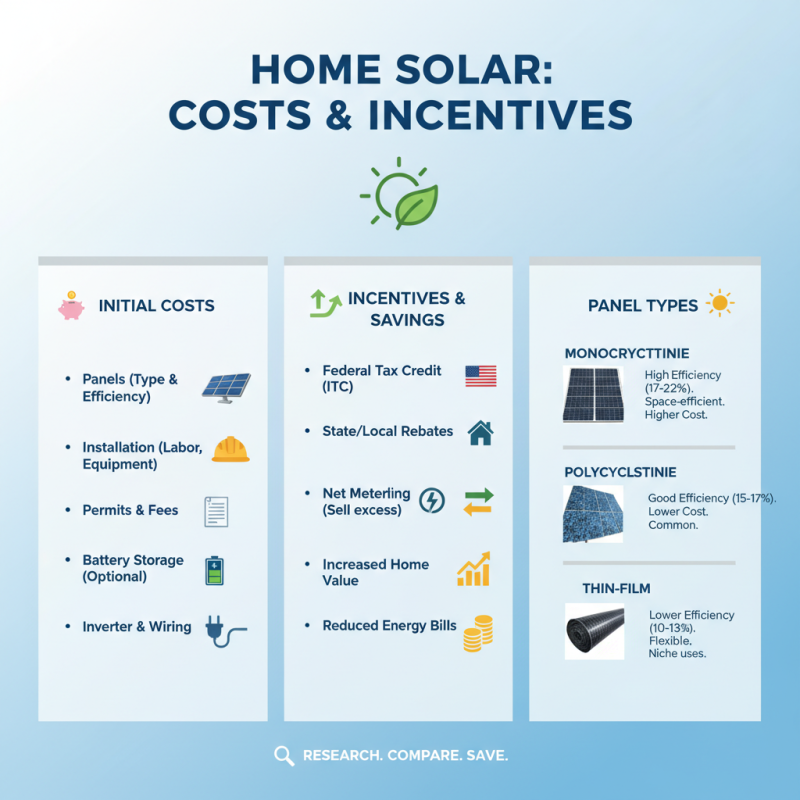
When evaluating different types of solar panel technologies, it's essential to understand their unique features. Monocrystalline panels are popular due to their high efficiency. They convert sunlight into electricity more effectively than others. However, they can be more expensive. Their sleek design offers an aesthetic appeal for homeowners.

Polycrystalline panels are another option. They are typically less costly, making them accessible for a wider range of budgets. However, they generally have lower efficiency rates. It's crucial to consider available roof space. If space is limited, investing in monocrystalline might be wise. But if your roof can accommodate more panels, polycrystalline could be a good choice.

Thin-film solar panels are gaining attention. They are lightweight and flexible, allowing for diverse applications. These panels may not be as efficient, but they perform better in low-light conditions. This characteristic can be an advantage in cloudy climates. However, their lifespan is often shorter. Reflecting on these trade-offs is important. Each type has pros and cons. Balancing efficiency, cost, and space is key to making the right choice.

Factors to Consider for Roof and Site Suitability

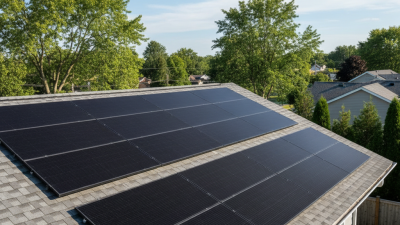
When choosing a solar panel system, roof and site suitability play critical roles. The angle and orientation of your roof can significantly influence energy production. Ideally, south-facing roofs capture the most sunlight. However, east or west-facing options can still work. The roof's pitch should be considered too. Flat roofs may need additional mounting systems to optimize solar access.

Shade is another crucial factor. Nearby trees and buildings can block sunlight. Even partial shading can reduce solar panel efficiency. You might need to trim or remove some trees to maximize exposure. Additionally, consider local weather patterns. Areas with frequent cloud cover may not yield high solar energy.

Finally, assess the condition of your roof. An old or damaged roof may require repairs before installation. This could delay your solar plans. It’s essential to reflect on these aspects before moving forward. Each detail counts towards achieving an efficient solar setup, so take your time to evaluate them thoroughly.

Factors to Consider for Roof and Site Suitability in Solar Panel Systems

Comparing Solar Panel Prices and Financial Incentives

How to Choose the Best Solar Panel System for Your Home?

When considering a solar panel system for your home, costs and incentives matter. The initial price of solar panels can be substantial. It’s essential to understand what you are paying for. Research different types of solar panels. Assess their efficiency and power output.

Tips for understanding solar prices: Get multiple quotes. Compare installation costs and warranties. Don't forget to include potential maintenance fees. Adjust your budget according to these factors. Investigate available incentives in your area. Many locations offer tax credits, rebates, or grants for solar installations. These can significantly change the overall cost.

It can be overwhelming to navigate financial incentives. Some programs may seem confusing. Take your time to research local and federal options. Look into community solar programs as well. They can provide access to solar power without a hefty upfront cost. Keep track of deadlines and eligibility requirements. They often involve careful planning and documentation. Be ready to ask questions and seek help.

Choosing a Reliable Solar Installer and Warranty Options

When selecting a solar installer, trustworthiness is crucial. Look for companies with solid reputations and positive customer reviews. Check their experience with similar projects. It's helpful to ask for references. Talk to past clients; their insights can guide your decision. Beware of companies that pressure you into quick choices. A good installer encourages informed decisions.

Warranties often reflect a company’s confidence. A standard warranty for solar panels lasts around 25 years. However, not all warranties are created equal. Review what’s covered. Some warranties cover only defects, while others include performance guarantees. Understand the fine print. A longer warranty is generally better but check what it entails. Don't rush; ensure you are comfortable with your choice. Take your time and ask questions. It’s your investment and needs thorough consideration.

© 2025 Australian Premium Solar