




Why Choose Solar Power for Home Energy Savings?

In recent years, solar power has gained significant attention as a viable option for home energy savings. Homeowners are increasingly seeking sustainable solutions. Solar power for home use presents numerous benefits beyond just financial savings.

The reliability of solar technology has improved, making it more accessible than ever. Many families are experiencing lower utility bills and increased energy independence. However, the initial investment can be daunting for some. It’s essential to weigh the long-term gains against upfront costs.

Educating yourself about solar options is crucial. Understanding how solar panels work and their impact on the environment can shape your decision. Explore local incentives and financing plans that may alleviate financial burdens. Solar power for home energy reflects not just a trend, but a commitment to a sustainable future.
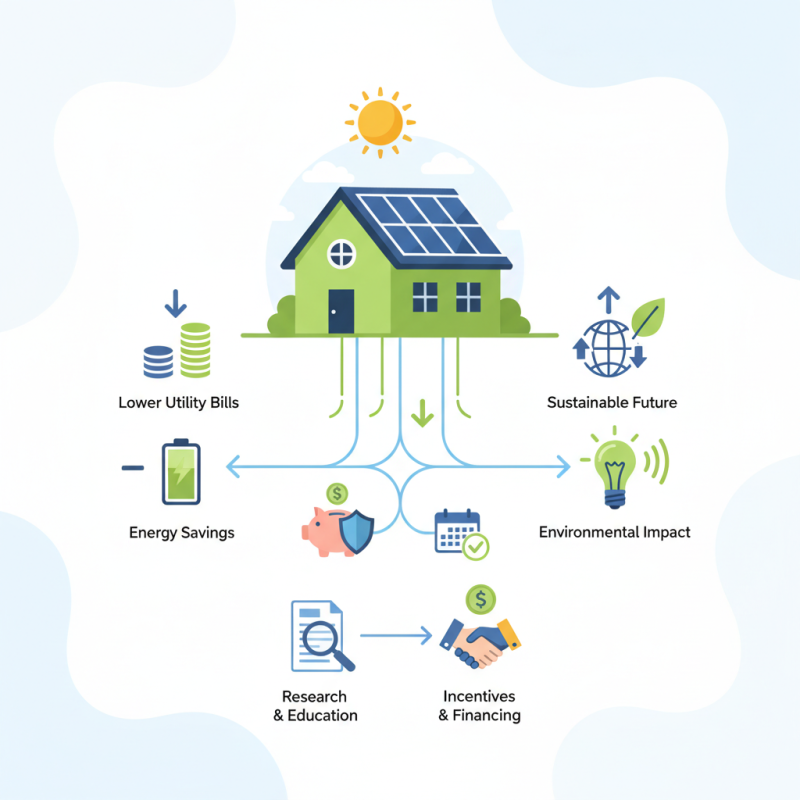
Why Choose Solar Power for Home Energy Savings?

Understanding Solar Power: A Brief Overview

Solar power has emerged as a popular choice for homeowners looking to save on energy costs. Understanding solar power starts with recognizing its fundamental principles. Solar panels convert sunlight into electricity, a process that can significantly reduce monthly utility bills. According to the U.S. Department of Energy, homeowners can save an average of $1,000 per year on energy costs by transitioning to solar energy.

Tips: Regularly clean your solar panels to maintain efficiency. This ensures optimal performance, as dirt and debris can block sunlight and reduce energy production.

Investing in solar energy has long-term benefits, but upfront costs can be daunting. The National Renewable Energy Laboratory states that solar panel installations can yield a return on investment of over 20% annually. While this is promising, it's essential to consider individual circumstances and financial situations. Not every home may be suitable for solar installations, which requires a detailed evaluation of roof orientation and shading.

Tips: Consult with a solar expert to assess your home's suitability for solar panels. Their insights will help you make informed decisions tailored to your needs.

Why Choose Solar Power for Home Energy Savings?

This bar chart illustrates the financial benefits of adopting solar power for home energy savings. It highlights potential savings on electricity bills, tax incentives, increase in home value, maintenance costs, and the positive environmental impact of choosing solar energy.

The Financial Benefits of Solar Energy for Homeowners

Solar energy has become a popular choice for homeowners seeking financial benefits. The initial investment can feel daunting. However, the long-term savings often outweigh these concerns. Many homeowners have reported significant reductions in monthly energy bills once solar panels are installed. This is a tangible benefit that can lead to thousands saved over the years.


Federal and state incentives can also lighten the financial impact. Tax credits and rebates make solar systems more affordable. These incentives can reduce upfront costs by 30% or more. Such savings present a valuable opportunity for many homeowners. Most find that investing in solar energy pays off quickly, but some struggle with the upfront costs. Careful planning and research can help alleviate these concerns.


Property value may also increase with solar energy systems. Homes equipped with solar panels are often more attractive to buyers. This could lead to higher offers when it’s time to sell. However, not all buyers prioritize solar. It’s crucial for homeowners to weigh these factors. Understanding the local market and property values is essential in making informed decisions.

Evaluating Installation Costs and Incentives

Why Choose Solar Power for Home Energy Savings?

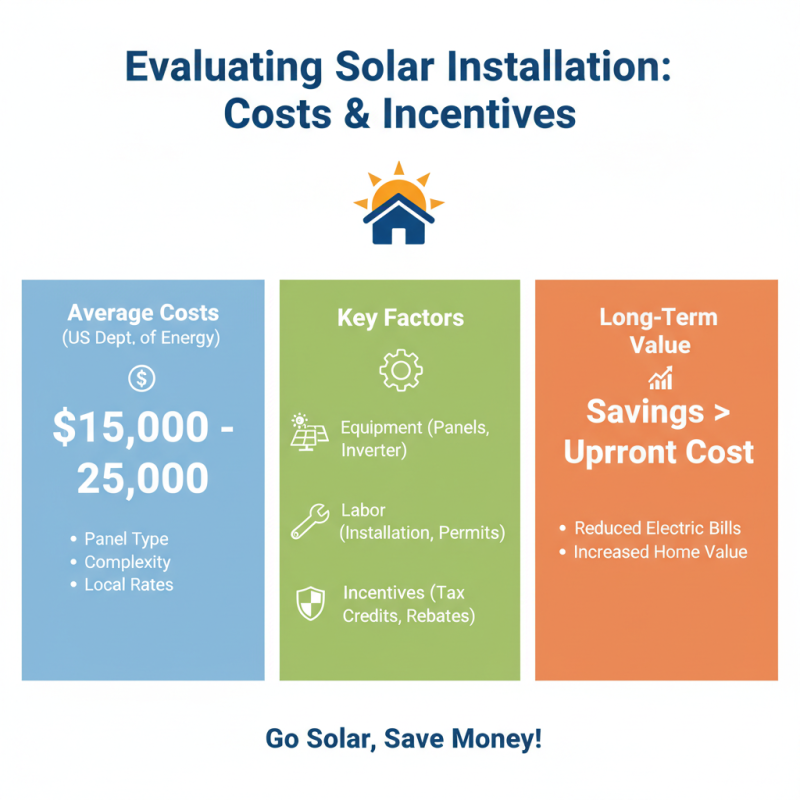
When considering solar power for your home, understanding installation costs is crucial. According to the U.S. Department of Energy, the average cost of residential solar panel installation ranges from $15,000 to $25,000. Factors influencing costs include panel type, installation complexity, and local market rates. Homeowners often overlook the long-term savings compared to upfront investments.

Incentives can significantly reduce initial expenses. The federal solar tax credit allows homeowners to deduct up to 26% of installation costs from their federal taxes. Many states and local governments also offer additional rebates or incentives. These financial benefits can make solar energy more accessible. However, not all homeowners fully utilize available programs. It's crucial to research and understand local policies to maximize potential savings.

The payback period for solar installations averages five to seven years. This varies based on energy consumption, local utility rates, and the amount of sunlight received. Homeowners should weigh the initial costs against future savings. Keep in mind, solar energy isn't a one-size-fits-all solution. Each situation is unique, and careful evaluation is necessary. Planning and understanding the financial implications can lead to smarter energy choices.

Comparing Solar Power to Traditional Energy Sources

Why Choose Solar Power for Home Energy Savings?

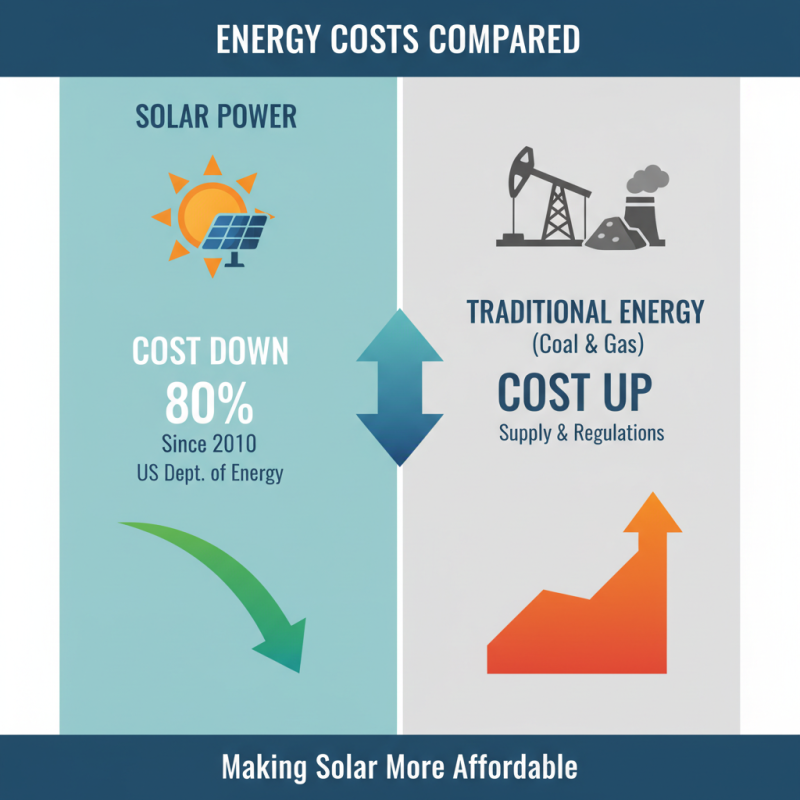
When evaluating solar power versus traditional energy sources, cost is a significant factor. According to the U.S. Department of Energy, the price of solar energy has dropped by over 80% since 2010. This reduction means homeowners increasingly find solar installations financially viable. In contrast, traditional sources like coal and gas face rising prices due to supply chain disruptions and regulatory pressures.

In terms of environmental impact, solar energy generation emits minimal greenhouse gases. Traditional energy sources, particularly fossil fuels, contribute significantly to air pollution and climate change. A report from the International Energy Agency states that renewable energy adoption could cut emissions by 70% by 2050. Yet, the transition to solar power is not without challenges. Factors such as initial installation costs and space limitations often cause hesitation among homeowners.

Reliability remains a key concern. Solar energy generation is dependent on weather conditions, which can lead to inconsistencies. Many areas still rely heavily on fossil fuels, highlighting the need for a balanced approach. The reliability of traditional energy sources provides a sense of security for many consumers, even as society moves towards renewable options.

Long-Term Environmental Impact of Solar Energy Use

Solar energy is more than just a choice for home energy savings; it's a step toward a sustainable future. It significantly reduces greenhouse gas emissions. By switching to solar, homeowners contribute to cleaner air and a healthier environment. This shift has a long-term impact on our planet. Embracing solar power means reducing reliance on fossil fuels. This transition helps mitigate climate change, which affects us all.

When considering solar energy, it's vital to think about your location and sunlight exposure. The efficiency of solar panels varies by region. Homes in sunnier areas may save more money in the long run. Moreover, installing energy-efficient appliances can amplify your savings. Look for ways to conserve energy, like using LED bulbs and smart thermostats.

Before diving into solar energy, reflect on your energy consumption. Analyze your monthly bills and identify patterns. This insight helps tailor a solar system to your specific needs. Remember, while the initial investment may be significant, the long-term benefits are substantial. Every step taken towards renewable energy leads to a more sustainable planet for future generations.

Why Choose Solar Power for Home Energy Savings? - Long-Term Environmental Impact of Solar Energy Use

Aspect Before Solar Installation After Solar Installation Annual Savings CO2 Reduction (lbs/year)
Electricity Bill $1,400 $800 $600 3,000
Energy Generated 0 kWh 8,000 kWh N/A N/A
System Cost N/A $15,000 N/A N/A
Return on Investment (ROI) N/A 4 years N/A N/A
Environmental Impact High (fossil fuels) Low (renewable energy) N/A 3,000
© 2025 Australian Premium Solar