




2026 How to Choose the Best Solar Panels for Your Home?

Choosing the best solar panels for your home can seem overwhelming. With so many options available, making the right choice is essential. Solar panels are a significant investment. They can help reduce your energy bills and lower your carbon footprint.

When selecting solar panels, consider efficiency and durability. Different brands offer varying performance levels. Researching these aspects is vital. Some panels perform well in shade, while others excel in direct sunlight. Think about your home’s location and sunlight exposure.

Budget is also a key factor. Prices can vary widely. Some panels might look appealing, but their quality may not justify the cost. Reading reviews and seeking expert opinions can help. Reflect on what features matter most for your needs.

2026 How to Choose the Best Solar Panels for Your Home?

Understanding Solar Panel Types and Technologies for Home Use

When considering solar panels for your home, it’s essential to understand the types available. Photovoltaic (PV) panels are the most common. They convert sunlight into electricity. This technology is well-established and widely used.

Another option is thin-film solar panels. These panels are lighter and more flexible. They are easier to install, especially in unique spaces. However, they often have lower efficiency rates compared to traditional panels. You may need more surface area for the same output.

Not all panels are created equal. Monocrystalline panels are more efficient but usually come at a higher cost. Polycrystalline options are more affordable, but efficiency can vary. It’s a trade-off between budget and performance. Reflect on your energy needs and roof space. Each home is unique, so understanding these differences can help you make an informed decision.

Comparative Analysis of Solar Panel Types

This chart illustrates the efficiency, cost, and lifespan of different solar panel technologies available for home use. The data reflects realistic parameters that can help homeowners make informed decisions when choosing solar panels.

Evaluating Energy Needs: How Much Power Do You Require?

2026 How to Choose the Best Solar Panels for Your Home?

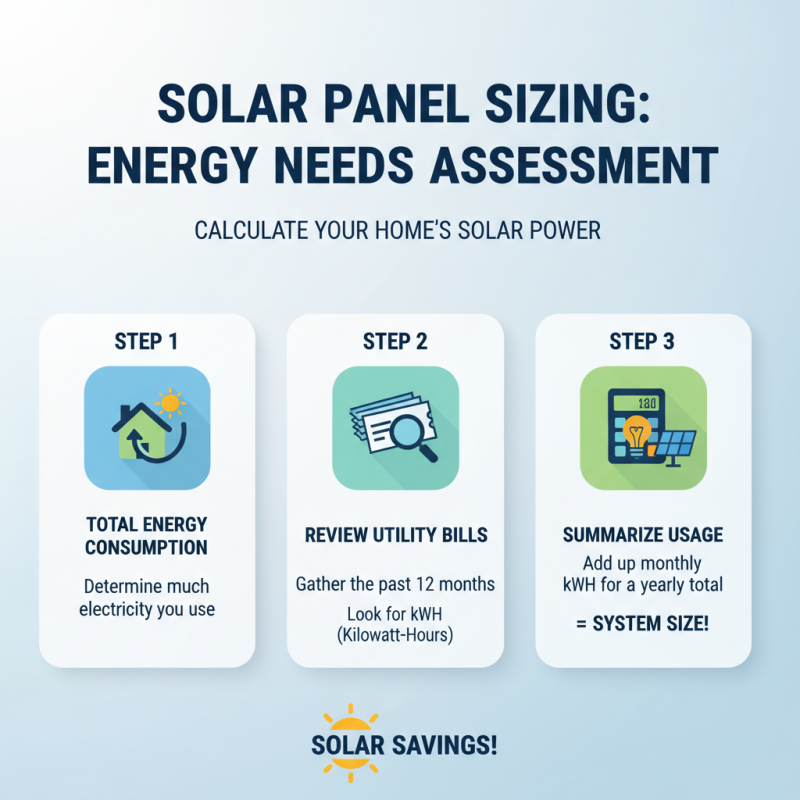
When considering solar panels, evaluating your energy needs is vital. Start by calculating your total energy consumption. Look at your past utility bills for the last year. Add up your monthly usage in kilowatt-hours (kWh). This number helps determine the size of the solar system you need.

Next, think about your appliances and their efficiency. Do you have energy-hungry devices? Older refrigerators or air conditioning units often consume more power. Switching to energy-efficient models can reduce your overall energy needs. It’s crucial to identify the actual power you use daily, which may vary seasonally.

Consider future changes as well. Do you plan to install electric vehicle chargers? Or maybe expand your family? These factors can impact your power requirements significantly. It’s essential to be prepared for the unforeseen. Your energy needs today may differ from those in the coming years, so flexibility in planning is crucial.

Key Factors to Consider When Choosing Solar Panel Brands

When selecting solar panels for your home, several key factors demand attention. Efficiency is crucial; it measures how effectively panels convert sunlight into electricity. According to the National Renewable Energy Laboratory, high-efficiency panels can achieve over 22%. This means more energy from less space. Size matters too. Assess your roof size and orientation. If you have limited space, prioritize efficient panels.


Beyond efficiency, consider warranty offerings. Many solar panels come with a performance warranty of 25 years. However, not all warranties are the same. Some may only cover specific issues. It's essential to dig deeper into what each warranty entails.


Cost is often a major concern. The average cost of solar panel installation in the U.S. is about $3.00 to $4.00 per watt. While higher initial prices may seem daunting, the long-term energy savings can offset this expense. Not every high-cost panel guarantees better performance. Researching and comparing options requires time. Balancing immediate budget constraints with future savings can be tricky.

Comparing Costs and Incentives for Solar Panel Installation

2026 How to Choose the Best Solar Panels for Your Home?

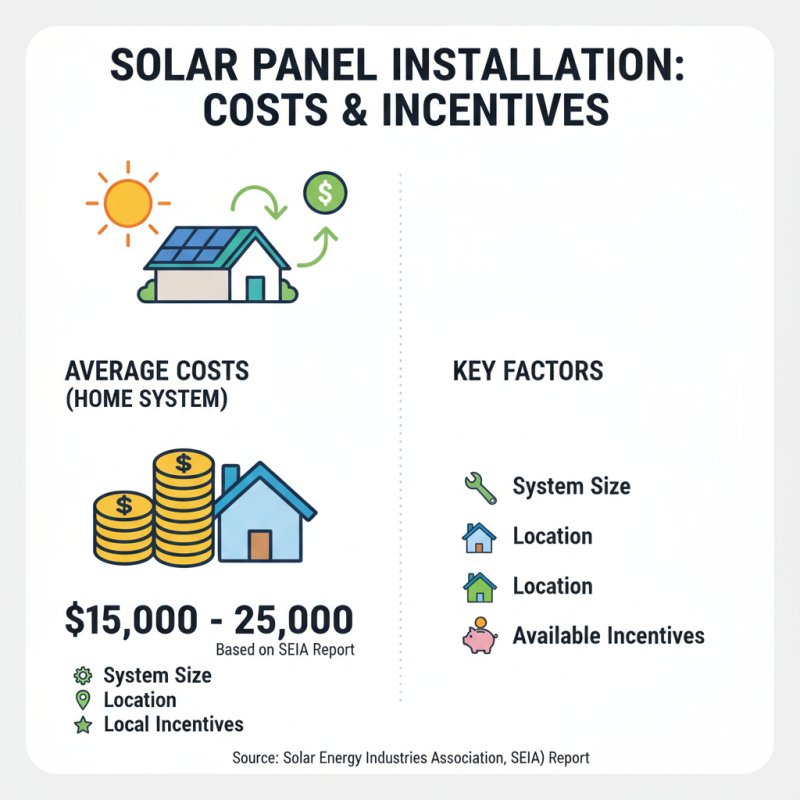
When considering solar panel installation, costs and incentives are crucial factors. A recent report by the Solar Energy Industries Association noted that average installation costs can vary significantly, ranging from $15,000 to $25,000 for a typical home system. These vary based on system size, location, and available incentives.

Several states offer tax credits and rebates, which can decrease your initial investment. According to EnergySage, homeowners can save an average of 26% on installation through federal tax credits alone, expiring in the coming years. Local programs can provide additional savings. This interplay of costs and incentives demands careful research.

**Tips**: Start by researching state and federal incentives. Check for local utility rebates, as these can bolster savings. Consider evaluating multiple quotes from installers to find the best price, but do not forget to review their service records. While the upfront costs can seem daunting, reflecting on long-term savings and environmental benefits is vital.

Assessing Warranty and Lifespan of Solar Panels for Longevity

When choosing solar panels, warranty and lifespan are crucial factors. A solid warranty can indicate a manufacturer's confidence in their product. Look for warranties that cover 25 years or more. This duration suggests durability and a commitment to quality. Consider both product and performance warranties. A long performance warranty means the panel is expected to maintain efficiency for many years.

Lifespan varies widely among solar panels. Many panels last 25 to 30 years, but some may degrade faster. Researching degradation rates can provide clear insights. Panels losing efficiency faster will impact your investment. Pay attention to the details. Compare warranties that explain what they cover. Some may offer limited coverage on specific components. Not all warranties are created equal.

Understanding these factors is essential. A cheap option may lead to higher costs later. Reflect on what you truly need. Investing in quality could save money over time. Longevity is not just about a number; it’s about reliability and performance.

© 2025 Australian Premium Solar