




Choosing a home solar system is a significant investment. With rising energy costs and environmental concerns, many homeowners are considering solar power. The right solar system can reduce bills and increase property value. However, navigating the options can be overwhelming.
When selecting a home solar system, it’s essential to assess your energy needs. This involves looking at your consumption patterns and roof space. Recommendations for solar panels may vary significantly. It's crucial to understand manufacturer warranties and installation requirements. Many companies promise high efficiency but claim sales data can be misleading.
Reliability is critical. Not all solar systems perform equally under different weather conditions. Researching credible reviews can help. While it’s tempting to go for the lowest price, cheap options may lead to unexpected costs later. Be cautious about deals that seem too good to be true. Remember, investing in a solar system requires careful thought and consideration. Your choice should reflect both immediate needs and long-term benefits.
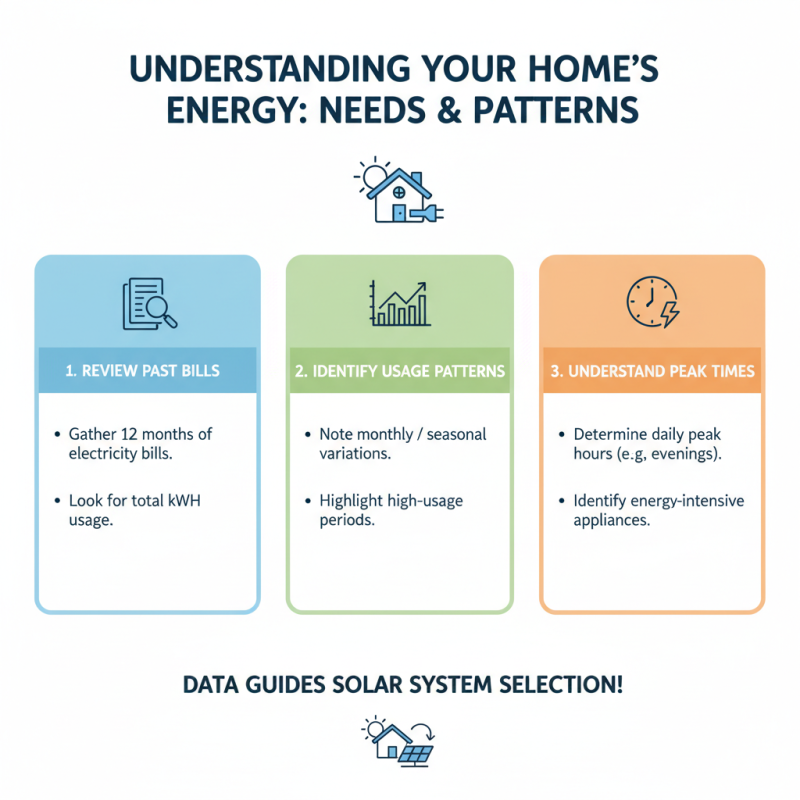
Determining your home's energy needs is crucial when selecting a solar system. Begin by reviewing your past energy bills. Look for patterns in your electricity usage. Understand peak times of consumption. This data will guide you in understanding how much energy you typically need daily.
Consider the number of people living in your home. More residents often mean higher energy consumption. Appliances also play a significant role. Older appliances consume more energy. Track usage of high-demand items like refrigerators and heating systems. Each of these factors will impact your overall energy needs and affect your solar system capacity.
Reflect on future changes too. Are you planning to expand your home or buy new appliances? Such changes may influence your energy consumption. An effective solar system must cater to both current and future needs. Taking time to understand these consumption patterns ensures you choose a system that meets your lifestyle effectively, preventing unnecessary costs or energy shortages later on.
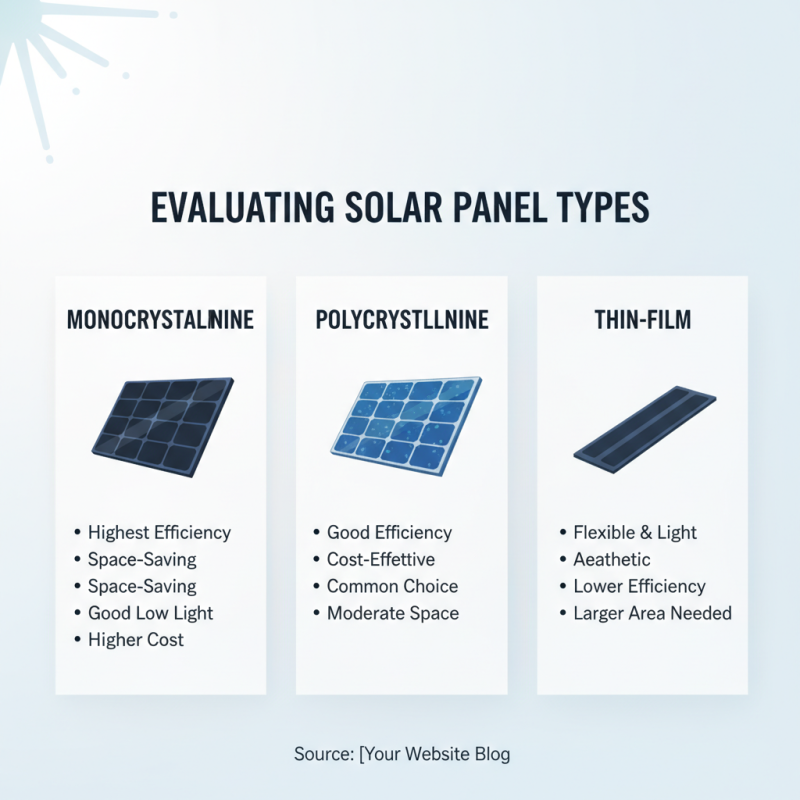
Choosing a solar panel type is crucial when selecting a home solar system. The three main options are monocrystalline, polycrystalline, and thin-film. Each type has its unique features and advantages. Monocrystalline panels are known for their efficiency and space-saving design. They perform well in low-light conditions. However, they can be more expensive.
Polycrystalline panels are less efficient but offer a lower price point. They require more space for installation. This can be a consideration if roof space is limited. Despite being less efficient, polycrystalline panels can be a great cost-effective solution for homeowners with ample roof area.
Thin-film panels are lightweight and versatile, making them suitable for various installations. They are generally the least expensive option. However, they provide lower efficiency rates compared to the other two types. It's essential to evaluate your energy needs when choosing. Consider your budget versus performance to strike a balance.
Tip: Take the time to assess your roof's orientation and shading. This can greatly impact your solar system's efficiency. Analyze your energy consumption before making a choice. Don't rush the decision; thorough research pays off. It’s about finding the right fit for your home’s unique situation.
When evaluating the total costs of a home solar system, it's crucial to look beyond initial installation fees. Installation expenses can vary significantly based on your location and the system size. Often, homeowners may underestimate these costs, leading to budget overruns. It's essential to gather detailed quotes from multiple installers. This will help you get a clearer picture of the financial commitment involved.
Maintenance costs are another factor that deserves attention. While solar systems generally require minimal upkeep, occasional repairs can arise. It's wise to set aside a budget for unexpected issues. Some homeowners might overlook these potential expenses, causing discomfort later. Additionally, explore local incentives that can offset costs. Tax credits or rebates can substantially lessen the financial burden. Researching available incentives thoroughly may reveal opportunities that are not widely advertised.
Taking a comprehensive view of these costs ensures informed decision-making. Homeowners often focus solely on installation but should consider long-term expenses as well. Balancing installation, maintenance, and available incentives can help you make a more sustainable choice. Remember, being well-informed leads to better investments in your solar future.
| Parameter | Average Cost (USD) | Frequency / Duration | Incentives Available |
|---|---|---|---|
| Initial Installation | $15,000 | One-time | Federal Tax Credit (26%) |
| Monthly Utility Savings | $125 | Monthly | State Rebate Programs |
| Maintenance Costs | $400 | Annually | None |
| Insurance Increase | $50 | Monthly | N/A |
| Lifetime of System | 25 years | N/A | Net Metering |
When selecting a solar inverter, focus on efficiency and warranty. The inverter converts sunlight into usable energy. Therefore, its efficiency is paramount. Look for inverters with high efficiency ratings, typically above 95%. These models maximize energy output for your home. Don’t ignore the warranty period; it’s crucial for safeguarding your investment. A longer warranty often indicates the manufacturer’s confidence in their product.
Consider the type of inverter that suits your needs. String inverters are popular, but microinverters offer more flexibility. Microinverters work independently on each panel, providing more consistent performance. Although they might be more expensive, the efficiency gains can be worthwhile.
Think carefully about installation and maintenance as well. An inverter requires regular check-ups to ensure optimal performance. Ask questions about service options available. Always remember that even the best inverter can underperform without proper care. Transparency from the manufacturer is vital; unclear warranty policies can complicate future claims. Choosing the right inverter impacts not just immediate costs but long-term savings and energy independence.
Understanding local solar incentives and regulations is crucial when selecting a home solar system. In the U.S., many states offer tax credits and rebates to promote solar energy adoption. According to the Solar Energy Industries Association (SEIA), buyers can save an average of 26% from federal tax credits alone. However, these incentives vary by state and city, leading to potential confusion.
Researching your local market can reveal valuable financial opportunities. For example, some states offer "net metering," allowing homeowners to sell excess energy back to the grid. As of early 2023, nearly 40 states provide such programs. This policy not only reduces electricity bills but can also generate income. Local regulations can also influence system size and installation methods, requiring detailed research.
Homeowners should check specific requirements for permits and interconnections in their area. Some areas have restrictive building codes that could complicate installations. Consulting with local solar experts can clarify these aspects, ensuring compliance and maximizing savings. It's essential to regularly check for updates on incentives, as they can shift rapidly. A proactive approach can reveal hidden savings opportunities and illuminate the path forward for sustainable energy.
No, I will think about it in future.