





The Fiber Plastic Sheet Machine is a pivotal innovation in the manufacturing sector. This technology transforms plastic waste into versatile sheets. Industry reports indicate that the global market for fiber-reinforced plastics is projected to reach $36.4 billion by 2025. Such growth showcases the increasing adoption of sustainable practices.
Utilizing the Fiber Plastic Sheet Machine can reduce environmental impact while promoting recycling. By converting discarded plastics into high-quality sheets, manufacturers can minimize landfill contributions. However, challenges remain in ensuring consistent quality. Fluctuations in input materials can affect end product characteristics.
As industries explore the potential of fiber plastic sheets, understanding the mechanics of these machines is vital. They not only enhance production efficiency, but also support the shift towards a circular economy. Continuous improvement and technology updates are essential for maintaining competitive advantages in this evolving field.
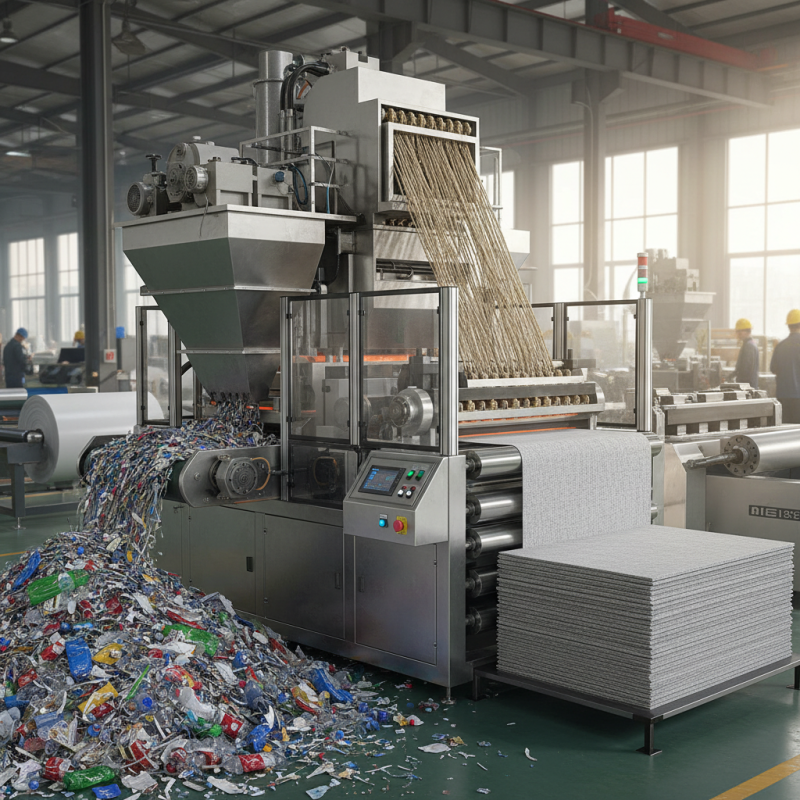
Fiber plastic sheet machines are pivotal in modern manufacturing. These machines produce sheets made from fiber-reinforced plastics, significantly enhancing strength and durability. According to industry reports, the global demand for fiber plastic sheets is expected to grow at a CAGR of 6% over the next five years. This growth is driven by their applications in automotive, construction, and packaging industries.
The process begins with the combination of fibers and plastic resins. This mixture is then heated and extruded through a die to form sheets. The flexibility in design allows manufacturers to create varied thicknesses and textures, catering to diverse needs. However, the reliance on specific materials presents challenges. Not every fiber-plastic combination yields the desired performance. Achieving the right balance between strength, weight, and cost often requires extensive testing.
Moreover, while fiber plastic sheets offer exceptional benefits, sustainability concerns loom large. The production process can generate significant waste if not managed properly. Studies indicate that nearly 30% of materials can be lost during manufacturing. This highlights the need for continuous improvement and innovation in machine design and operation. The industry must address these challenges to maximize efficiency and reduce environmental impact.
| Dimension | Value |
|---|---|
| Machine Type | Single-Layer Fiber Plastic Sheet Machine |
| Production Capacity | 1000 kg/h |
| Material Composition | Recycled Plastics and Fibers |
| Sheet Thickness | 2 mm - 10 mm |
| Power Consumption | 50 kW |
| Control System | PLC with Touchscreen Interface |
| Application Areas | Construction, Furniture, Automotive |
| Environmental Impact | Reduction of Plastic Waste |
A Fiber Plastic Sheet Machine is a specialized device for producing sheets from fiber-reinforced plastic. This technology is crucial in industries such as automotive, construction, and manufacturing. Understanding its key components can enhance efficiency and output quality.
The primary components include the extruder, forming system, and cooling unit. The extruder melts and mixes raw materials, achieving a homogenous compound. According to a recent industry report, extruder efficiency impacts production rates significantly, contributing to about 40% of the overall productivity. The forming system shapes the melted plastic into sheets using molds or rollers. Precise calibration is vital here, as improper alignment can lead to waste.
Cooling units solidify the sheets. This step ensures the final product maintains dimensional stability. Engineers emphasize that optimal cooling speeds are essential; too fast can cause warping, while too slow prolongs production.
Tip: Regular maintenance of the core components can prevent unexpected downtime and costly repairs. Monitor the extruder temperature to ensure consistent material flow.
Tip: Understanding the specific requirements of your fiber plastic product can guide effective adjustments in the machine settings for improved quality.
Manufacturing fiber plastic sheets involves several critical steps that ensure efficiency and quality. The process begins with the selection of raw materials. Fibers like cellulose or synthetic alternatives are typically used. These materials provide strength and flexibility to the final product. Once the materials are sourced, they undergo processing to create a uniform blend.
Next, the mixture is fed into a specialized machine, which combines heat and pressure. This stage is crucial as it transforms the raw fibers into a workable sheet form. Operators must maintain specific temperature and pressure settings. Small deviations can lead to inconsistencies in the final sheet quality. Careful monitoring is essential during this stage.
After the sheets are formed, they are cooled and cut to desired dimensions. Inspection plays a vital role here. Each sheet must meet quality standards before it proceeds to packaging. Small defects can inadvertently affect product performance. Continuous feedback loops in production can help identify areas needing improvement. Such reflection is critical in refining the manufacturing process.
Fiber plastic sheets have a growing role in various industries. These sheets are known for their strength and lightweight properties. In construction, they replace traditional materials, offering better durability. From roofing to wall panels, they enhance energy efficiency. The automotive sector also utilizes these materials. Lightweight sheets improve fuel efficiency and reduce emissions.
Market trends show an increasing demand for eco-friendly alternatives. Fiber plastic sheets can be recycled, appealing to environmentally conscious companies. The packaging industry benefits as well, requiring sturdy, lightweight solutions. Yet, challenges exist. Some manufacturers struggle with production consistency and cost management. Quality control remains a critical aspect needing attention. Companies must invest in better training and technology to meet rising standards.
Applications extend to consumer goods and electronics. Fiber plastic sheets are used in laptops and smartphones, providing protection without adding weight. Customization is key; businesses now seek unique designs and functionalities. However, staying ahead in innovation is tough. Organizations need to balance creativity with practicality, ensuring market relevance. Developing a robust strategy will be essential for future success in this dynamic field.
Fiber plastic sheet machines are vital in manufacturing composite materials. They transform raw fibers and plastics through a defined process. These machines utilize techniques such as extrusion and thermoforming. This allows for the production of sheets with varying thicknesses, ranging typically from 1 mm to 25 mm. The importance of these specifications cannot be overstated, as they directly affect the mechanical properties of the final product.
Performance metrics are critical for evaluating the efficiency of these machines. Reports indicate that modern fiber plastic sheet machines can operate at speeds of up to 300 kg/hour. They often achieve a production rate that meets industrial demands. Energy consumption also plays a crucial role, with advancements aiming for a reduction of around 30% compared to older models. Even so, some machines may struggle with consistency in output quality.
Material utilization is another focus area. Ingeniously designed machines can minimize waste significantly. However, controlling the fiber-to-plastic ratio is challenging. The ideal ratio balances strength and flexibility, with 60:40 considered optimal. Achieving this balance requires continuous monitoring and adjustments. Overall, understanding these technical specifications enhances the design and development process, leading to improved product outcomes.
No, I will think about it in future.


