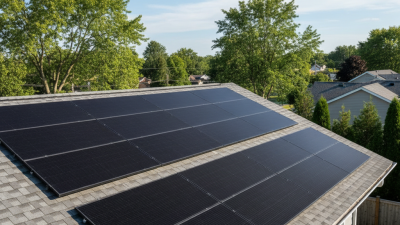





Setting up a home solar power system can significantly reduce energy costs. According to the U.S. Department of Energy, residential solar installations have surged by over 167% in the past five years. This trend reflects a growing interest in sustainable energy solutions. Experts predict that by 2025, nearly one in seven homes will be powered by solar energy.
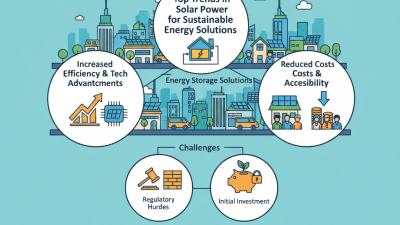
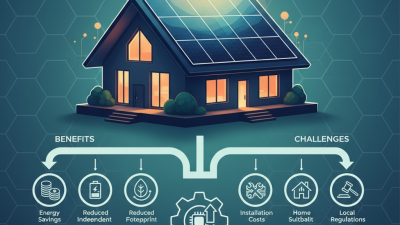
Dr. Jane Green, a solar energy expert, emphasizes the importance of this transition. She states, "A home solar power system not only saves money but also benefits the environment." This highlights the dual advantages of embracing solar technology. However, investing in a home solar power system is not without its challenges. Potential buyers must navigate regulatory requirements, installation complexities, and financial considerations.
Despite these hurdles, many homeowners see the long-term value. A well-planned home solar power system can pay for itself in energy savings over time. As we explore the necessary steps for installation, it's crucial to weigh both the benefits and drawbacks. Understanding these elements can lead to a successful solar transition.
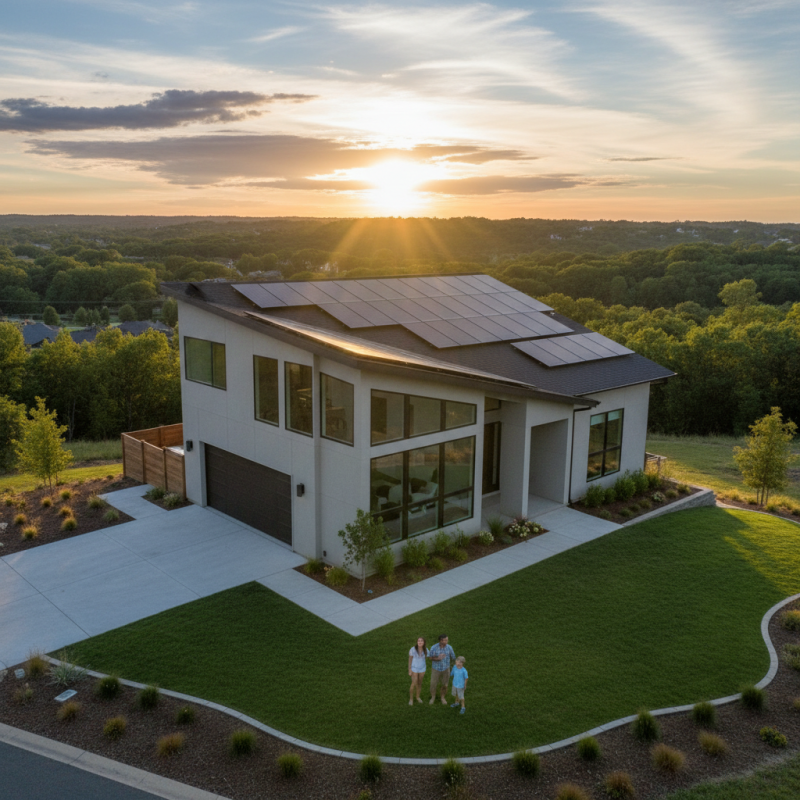
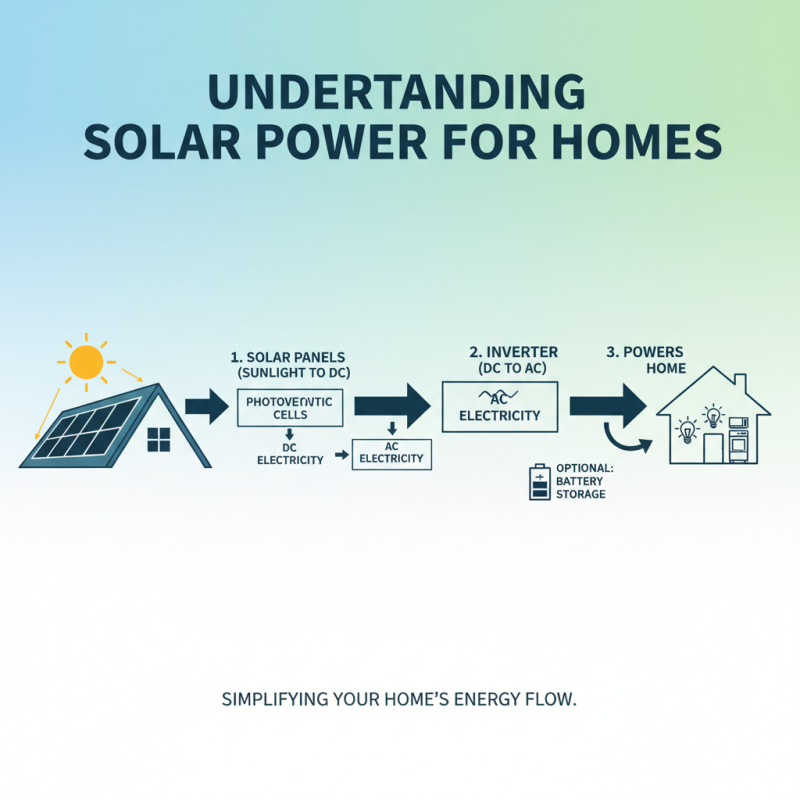
Understanding the basics of solar power systems for homes starts with knowing how solar panels work. These panels convert sunlight into electricity. This process involves photovoltaic cells, which generate direct current (DC) electricity. An inverter then converts DC into alternating current (AC), which powers your home. Knowing this flow can simplify your setup and usage.
Installation can be complex. A proper system requires understanding your energy needs first. Homeowners should assess energy consumption, roof orientation, and available sunlight. These factors will impact the system's efficiency. It is essential to get reliable data before making decisions. Many choose to hire professionals, but DIY options exist for those willing to learn.
After installation, maintenance is key. Regular cleaning helps panels operate efficiently. Monitoring energy production is also vital in identifying issues. Sometimes, a drop in performance may point to hidden problems. Taking time to regularly check your system builds trust in its reliability. Not every setup will be perfect; adjustments may be necessary as you learn more about your specific environment and usage demands.
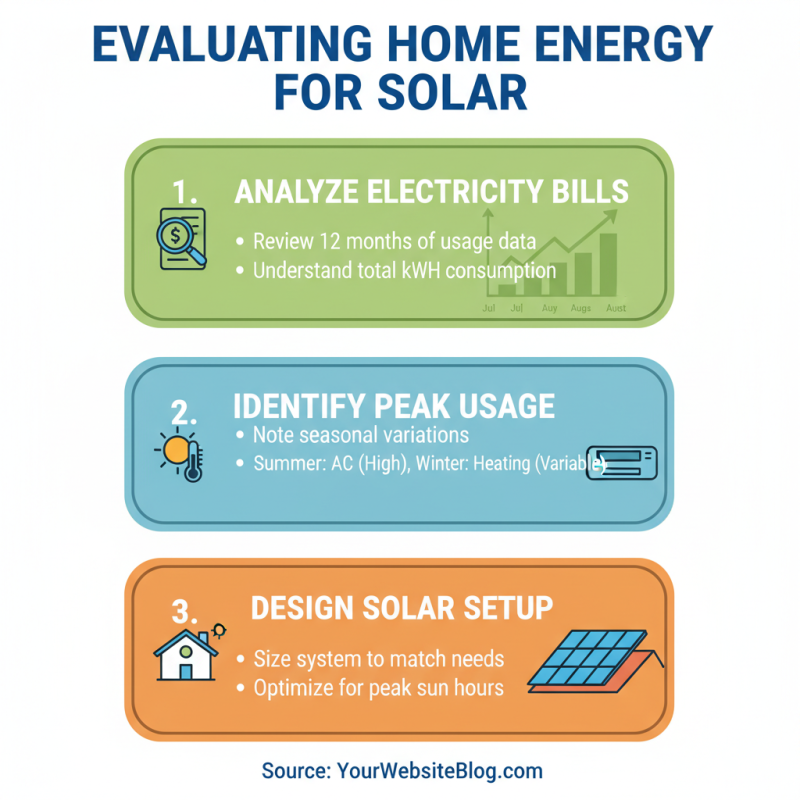
When considering a home solar power system, evaluating your energy needs is crucial. Start by analyzing your electricity bills. Look at your usage over the past year. This will highlight peak consumption months. You may notice higher usage during summer due to air conditioning. Identifying these patterns helps in designing an effective solar setup.
Next, assess your appliances and their energy requirements. List each device and its wattage. Some appliances, like refrigerators, run constantly. Others, like dryers, only run occasionally. Consider how long these devices run each day. This detailed inventory allows for accurate calculations. If you find discrepancies in your usage, reflect on how habits affect energy consumption.
Renewable energy can be an investment. There are hidden costs to consider. Installation may require upgrades to your home’s electrical system. The roof's orientation and shading need evaluation too. If trees cast shadows, they may interfere with solar efficiency. A well-planned approach can maximize energy savings, but be ready for unexpected challenges.
When choosing the right solar panels for your home, consider different types available. Monocrystalline panels offer high efficiency but at a higher cost. Polycrystalline panels are typically less expensive but may have lower efficiency rates. Thin-film panels are lightweight and flexible, but they require more space. Assess your home’s energy needs before deciding.
Efficiency ratings matter greatly. A panel's efficiency indicates how well it converts sunlight into electricity. Look for panels with a higher efficiency rating to maximize energy savings. Typically, ratings range from 15% to 22%. The cost can also vary significantly based on efficiency. Evaluate your budget while keeping long-term savings in mind.
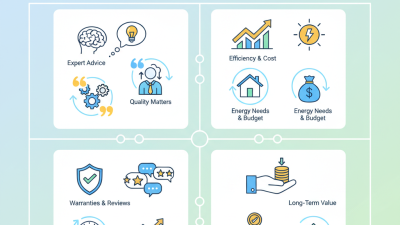
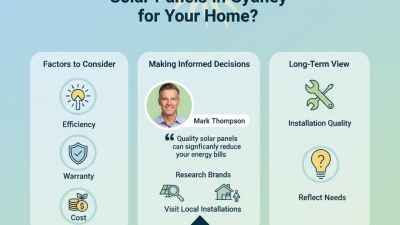
Tips: Research local incentives for solar investments. These can offset initial costs significantly. Consult with an expert to tailor a system to your needs. Be realistic about space available for installation. Consider future energy needs as you grow or make changes. Quality matters, but balance it with your budget constraints.
When planning your solar power installation, consider the location, orientation, and size of the system. The location determines how much sunlight your panels receive. Ideally, choose a space with minimal shade from trees or buildings. South-facing roofs typically capture the most sun. However, east or west can also work if south is not an option.
The orientation of the panels affects energy production throughout the day. Installing panels at the correct angle maximizes their efficiency. For many areas, an angle around 30 to 40 degrees works best. Use solar calculators to find the ideal positioning. They can provide valuable insights based on your geographical area.
**Tip:** Before installation, assess all potential installation sites. Test different orientations with temporary panels. It may reveal unforeseen issues.
**Tip:** Consider panel size carefully. Larger systems produce more energy but may require more space and a larger investment.
Remember, size matters. A system too small won't meet your energy needs. Yet, a system too large could lead to overspending. Carefully analyzing these elements can lead to better energy savings, increasing return on investment. Each decision should reflect both current needs and future energy consumption patterns.
Calculating potential savings when setting up a home solar power system involves understanding various factors such as incentives, rebates, and long-term returns. According to recent studies, homeowners can save between 20% to 70% on energy bills after installing solar panels. These savings are significantly influenced by local solar incentives, which can vary widely. For example, some states offer tax credits up to 26% of installation costs, making solar systems more affordable upfront.
Tips: Research local and state-specific incentives. Utilize online calculators to estimate your potential savings. Understanding these financial supports can dramatically improve your return on investment.
Long-term returns also play a crucial role. A solar power system typically pays for itself within 5 to 10 years, depending on usage and local energy costs. Moreover, home values can increase by approximately 4% with solar installations. It's important to consider that not all regions provide the same levels of sunlight or utility rates. This variability means that while some homeowners may enjoy substantial savings, others might find the investment less appealing.
Tips: Evaluate your home's solar potential using satellite data. Look for financing options that align with your budget and savings goals. Reflect on your energy needs to ensure an optimal system size.
No, I will think about it in future.