




Solar installation is becoming increasingly essential in today’s world. As global energy demands grow, renewable solutions offer promise. John Smith, a renowned solar energy expert, once stated, “Solar technology provides a pathway to a sustainable future.” His insights highlight the significance of solar systems.
Solar installation involves setting up solar panels that convert sunlight into electricity. This process begins with evaluating the site and energy needs. Proper installation ensures maximum efficiency. However, many face challenges in understanding the technology. Misconceptions about costs and benefits can deter potential users.
Taking the leap toward solar energy requires careful consideration. While the advantages are compelling, there are hurdles. Not everyone has access to suitable locations for installation. The initial investment may seem daunting. Yet, with the right guidance, solar installation can transform energy consumption and lead to remarkable savings over time.
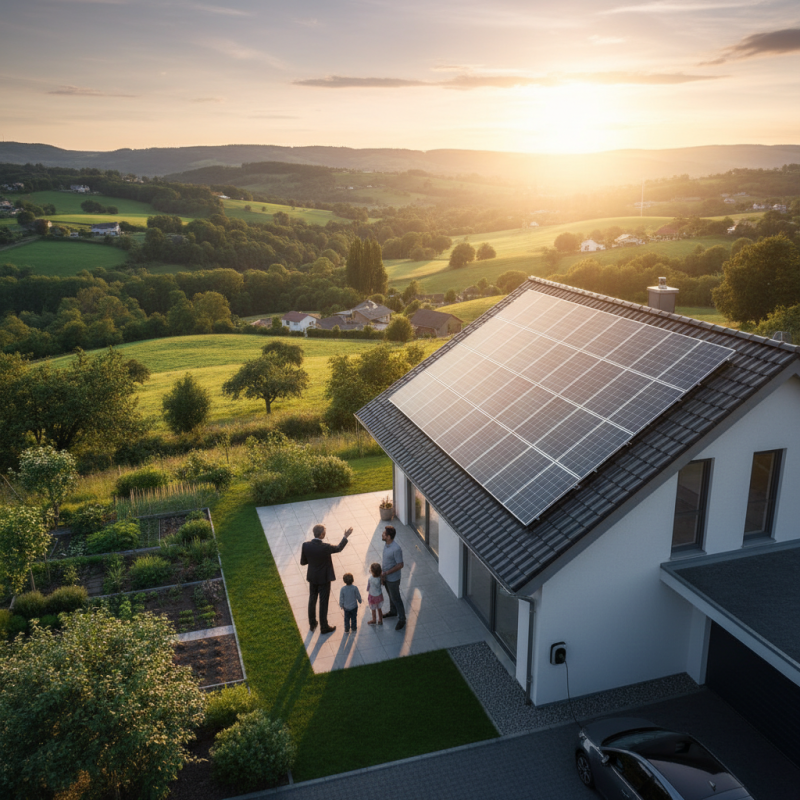
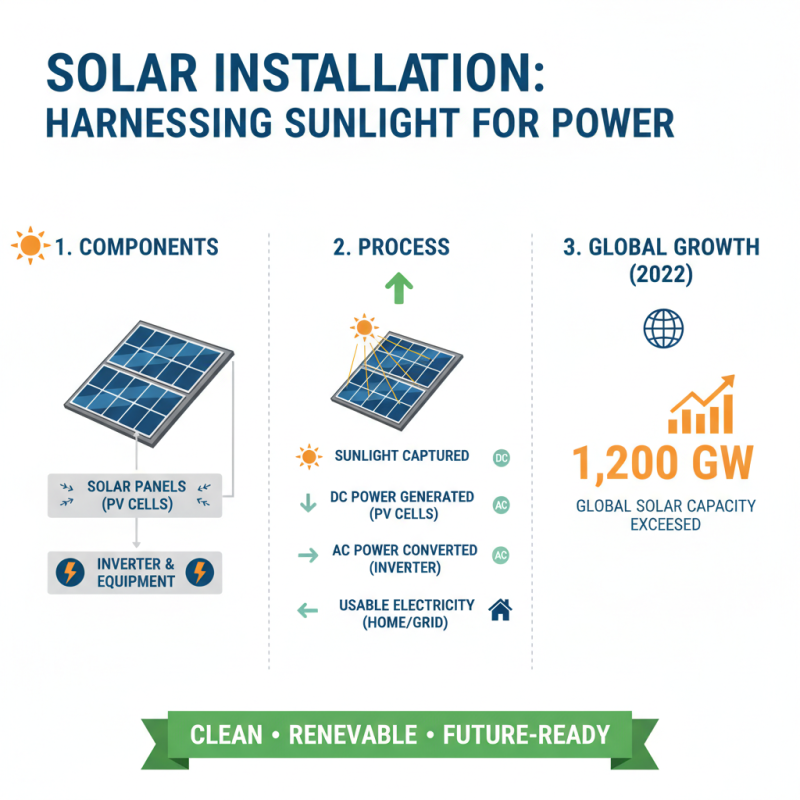
Solar installation refers to the process of setting up solar energy systems to harness sunlight for power generation. This setup includes solar panels mounted on rooftops or ground installations and the necessary equipment to convert sunlight into usable electricity. A typical solar panel consists of photovoltaic (PV) cells, which convert sunlight directly into electricity. In 2022, the global solar capacity reached 1,200 GW, highlighting the growing trend toward renewable energy.
When considering solar installation, several factors influence its effectiveness. The geographic location, roof orientation, and shading from nearby structures can all affect the system's efficiency. For instance, areas with high solar insolation, like Arizona and California, can produce more energy compared to regions with less sun exposure. It’s essential to evaluate these elements to maximize energy output.
Tips: To ensure a successful solar installation, consult with a certified installer. They can provide insights into potential challenges and give tailored advice for your specific situation. It’s also wise to check for local incentives and rebates. These can significantly reduce your initial costs. Remember that while solar panels require little maintenance, occasional cleaning may be necessary to maintain optimal performance.
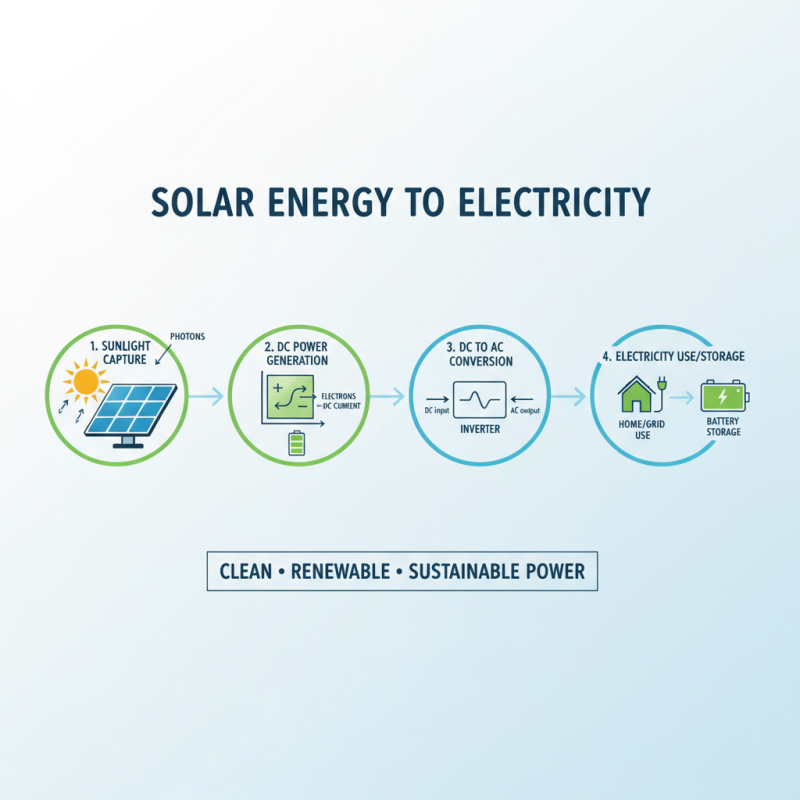
Solar installation systems convert sunlight into usable energy. These systems primarily consist of solar panels, inverters, and mounting structures. Solar panels capture sunlight and convert it into direct current (DC) electricity. This is where the magic begins.
Inverters play a crucial role. They transform DC electricity into alternating current (AC) electricity, which your home uses. Additionally, mounting structures hold panels securely in place, ensuring they can withstand harsh weather. The positioning is vital for optimal performance.
Tips: When choosing a solar installation, consider the placement of panels. They should not be obstructed by trees or buildings. Regular maintenance is also important. Clean panels can enhance efficiency significantly.
Sometimes, homeowners overlook the energy needs of their household. It’s essential to analyze consumption before installation. This can prevent misunderstandings about how much energy solar panels can provide. Proper planning leads to effective energy management.
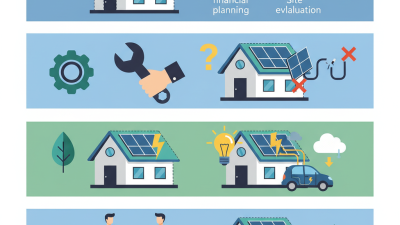
Installing solar panels involves several key steps. The first phase is assessing the site. This includes evaluating the roof's angle and sunlight exposure. An ideal location has minimal shading throughout the day. Sometimes, trees or buildings obstruct sunlight. This can reduce energy efficiency. It’s critical to identify these issues early.
Next, the installation team positions the solar panels. They start by mounting brackets to the roof. The panels are then attached securely. Proper alignment ensures maximum sunlight capture. After mounting, electrical wiring connects the panels to the inverter. This inverter transforms solar energy into usable electricity. Testing the system comes afterward. Any issues found at this stage may require adjustments.
Finally, inspections are important. Local regulations often mandate safety checks. Compliance with these laws ensures that installations are safe and effective. Sometimes, wiring or placement mistakes occur, leading to potential hazards. Addressing these flaws early on can prevent future problems. Each step requires attention to detail and careful planning for long-term performance.
| Step | Description | Duration | Cost Estimate ($) |
|---|---|---|---|
| 1. Site Assessment | Evaluation of the installation site and energy needs. | 1-2 days | 200 - 500 |
| 2. System Design | Creating a custom solar panel system layout and specifications. | 1 week | 300 - 800 |
| 3. Permitting | Obtaining necessary permits and approvals from local authorities. | 1-4 weeks | 100 - 300 |
| 4. Installation | Physical installation of solar panels and system components. | 1-3 days | 5000 - 15000 |
| 5. Inspection | Final inspection by local authorities to ensure compliance. | 1 day | 0 - 100 |
| 6. Activation | Turning on the system for operation and monitoring performance. | 1 day | 0 |
Solar energy has gained significant attention as a clean and renewable resource. But how is it converted into electricity? The process is intricate and fascinating. Solar panels, made of photovoltaic (PV) cells, are key components in this conversion. These cells capture sunlight and initiate the conversion process.
When sunlight hits the PV cells, it creates an electric field. This field generates direct current (DC) electricity. However, homes and businesses typically use alternating current (AC) electricity. Thus, an inverter is necessary to convert DC into AC. This process is interesting but can vary based on factors like weather and panel placement.
Efficiency can sometimes be an issue. Not all sunlight gets converted into electricity. Dust or shadows can reduce efficiency further. It’s important to regularly maintain solar panels to ensure optimal performance. Understanding these challenges helps in making informed decisions about solar installation. In essence, the technology is impressive, yet it demands careful consideration to maximize its benefits.
Solar installation offers many benefits. It can significantly reduce energy bills. Homeowners may enjoy energy independence and lower carbon footprints. Installing solar panels can increase property value. Many cities provide incentives or tax breaks for solar adoption. These factors contribute to its growing popularity.
However, challenges exist. The initial cost of solar installation can be high. Not every building suits solar systems. Installation requires space and optimal sunlight exposure. Maintenance is necessary, and occasional repairs may be needed. Weather can impact efficiency, and technology can sometimes lag behind emerging innovations. These factors require careful consideration before committing to solar energy.
No, I will think about it in future.