





Solar Panel Connectors play a crucial role in photovoltaic systems. They ensure proper connectivity and efficiency in transferring energy from solar panels to inverters. When selecting these connectors, quality is paramount. Poor choices may lead to energy losses or even damage.
These connectors come in various types, such as MC4 and XT60. Each type serves specific requirements and environments. Understanding these differences is essential for optimal performance. A well-chosen connector enhances system reliability and longevity. However, many overlook this component, risking system efficiency.
In a world increasingly reliant on solar energy, attention to detail matters. Solar Panel Connectors might seem minor, but they hold significant importance. Neglecting their quality can lead to bigger issues later. Therefore, investing time in selection and understanding remains vital.
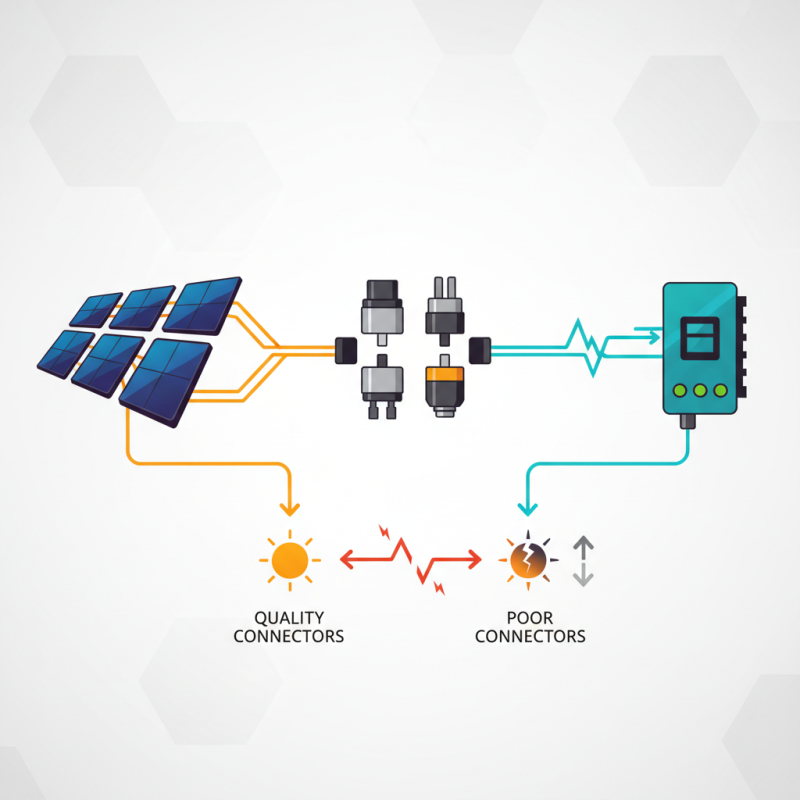
Solar panel connectors serve a critical role in solar energy systems. These connectors are essential for linking solar panels together. They ensure that electricity generated flows seamlessly through the system. The reliability of these connectors can affect overall energy output. If connections are loose or damaged, energy loss occurs. Ensuring that the connectors are properly installed and maintained is crucial for optimum performance.
There are several types of solar panel connectors. The most common are MC4 connectors. They are known for their durability and ease of use. MC4 connectors have a locking mechanism that prevents accidental disconnections. Another type is the multi-connectors, which allow several panels to connect in series or parallel. Choosing the right connector type can impact system efficiency. Users should be aware that different systems might require specific connectors. Regular inspection of connectors is necessary to ensure their reliability. Small issues can quickly escalate if not addressed promptly.
Solar panel connectors play a crucial role in solar energy systems. They enable the safe and efficient transmission of electricity generated from solar panels to inverters and batteries. These connectors are designed to withstand outdoor conditions, providing durability and reliability. High-quality connectors are usually weather-resistant, ensuring long-term performance.
The functionality of solar panel connectors involves creating a secure electrical circuit. They allow for easy installation and maintenance. Proper connection is vital for optimal power output. A loose or damaged connector can lead to energy loss. Additionally, mismatch in connector types can cause compatibility issues. This can result in inefficiency and potential hazards.
Working principles behind these connectors include metallic contact points. These points ensure low resistance and high conductivity, minimizing energy loss. Regular inspections are essential, as wear and tear can compromise their effectiveness. Understanding both their functionality and potential drawbacks is necessary for better solar systems.
Solar panel connectors play a critical role in solar energy systems. These small yet vital devices link solar panels to other system components. Their reliability directly impacts the energy output and efficiency of solar installations. According to recent industry reports, about 80% of solar energy generation failures can be traced back to connector issues.
One important aspect of solar panel connectors is their ability to withstand harsh environmental conditions. They must endure rain, dust, and extreme temperatures. In fact, improperly installed connectors can reduce system efficiency by as much as 10%. Ensuring that connectors are of high quality and correctly installed is essential for optimal performance.
Tips: Always inspect your connectors for any signs of wear or damage. Consider using connectors that are certified for outdoor use. Regular maintenance can prevent performance issues over time.
The importance of these connectors can’t be understated. In regions with high solar adoption, like California, connector quality is critical to managing energy supply and reliability. However, many installations still overlook this aspect. Quality connectors lead to higher system longevity and better energy outcomes. Investing time in this detail is essential for any solar project.
When selecting solar panel connectors, several crucial factors come into play. The gauge of the wire greatly influences the efficiency of the energy transfer. According to the Solar Energy Industries Association, larger gauge wires reduce resistance. Less resistance means more energy gets from the solar panel to the inverter. Keep in mind that thicker wires can be less flexible and harder to work with.
Environmental conditions also matter. Connectors must withstand extreme temperatures, moisture, and UV exposure. Data from the National Renewable Energy Laboratory shows that connectors facing harsh conditions can degrade quickly. Choosing connectors rated for outdoor use can enhance your solar setup's longevity.
Tip: Always check the connector's waterproof rating. This can prevent costly replacements due to corrosion. Additionally, consider the ease of installation. Complex connectors can lead to user errors.
Lastly, verification of certifications is vital. Look for connectors certified by recognized standards organizations. This ensures safety and reliability in your solar power system. A small oversight in choosing these components can have significant consequences.
| Connector Type | Material | Current Rating (Amps) | Voltage Rating (Volts) | Environmental Rating | Cable Compatibility (AWG) |
|---|---|---|---|---|---|
| MC4 | Plastic/Metal | 30 | 1000 | IP67 | 12-10 |
| XT60 | Plastic | 60 | 60 | IP68 | 12-8 |
| Anderson | Plastic/Metal | 45 | 600 | IP65 | 10-6 |
| SB50 | Plastic/Metal | 50 | 50 | IP66 | 10-6 |
| T-Connector | Plastic | 30 | 1500 | IP67 | 12-10 |
Solar panel connectors play a crucial role in maintaining the efficiency of solar energy systems. These connectors ensure secure electrical connections between solar panels and inverters. Proper maintenance helps prevent energy loss and potential safety hazards. Regular inspections of connectors are essential to identify wear or corrosion. Keeping connectors clean can enhance their performance and lifespan.
Best practices for solar panel connectors include using appropriate torque settings during installation. Over-tightening can damage connectors, while under-tightening can lead to electrical failures. It is also advisable to inspect connections after extreme weather events. Pay attention to signs of heating or discoloration, which may indicate issues. A proactive approach can save costs in the long run.
Sometimes, users overlook the importance of connector maintenance. Neglecting this can result in reduced energy output. Ensuring a reliable connection is fundamental for the efficiency of the entire solar system. Simple actions like routine checks and cleaning can significantly impact performance. Engaging with a qualified technician for complex issues can also enhance reliability.
No, I will think about it in future.


