What is a Vehicle Power Inverter and How Does It Work?
A vehicle power inverter is an essential device. It converts DC power from your vehicle’s battery into AC power. This allows you to use various electronic devices, such as laptops and small appliances, while on the road. According to industry expert Lisa Reynolds, “A vehicle power inverter brings convenience and energy to wherever you go.”
The growing demand for mobile power solutions has led to advancements in inverter technology. More people are seeking reliable sources of energy during travel. These inverters now come in various sizes and capacities, catering to different needs. However, not all models are created equal, and some may fall short of expectations.
Many users have had positive experiences, but issues can arise. Some inverters may overheat or fail to provide enough power. As Lisa Reynolds suggests, users should choose their inverter wisely. Proper selection can enhance your travel experience. Understanding the vehicle power inverter's function is crucial for making an informed decision.
What is a Vehicle Power Inverter?
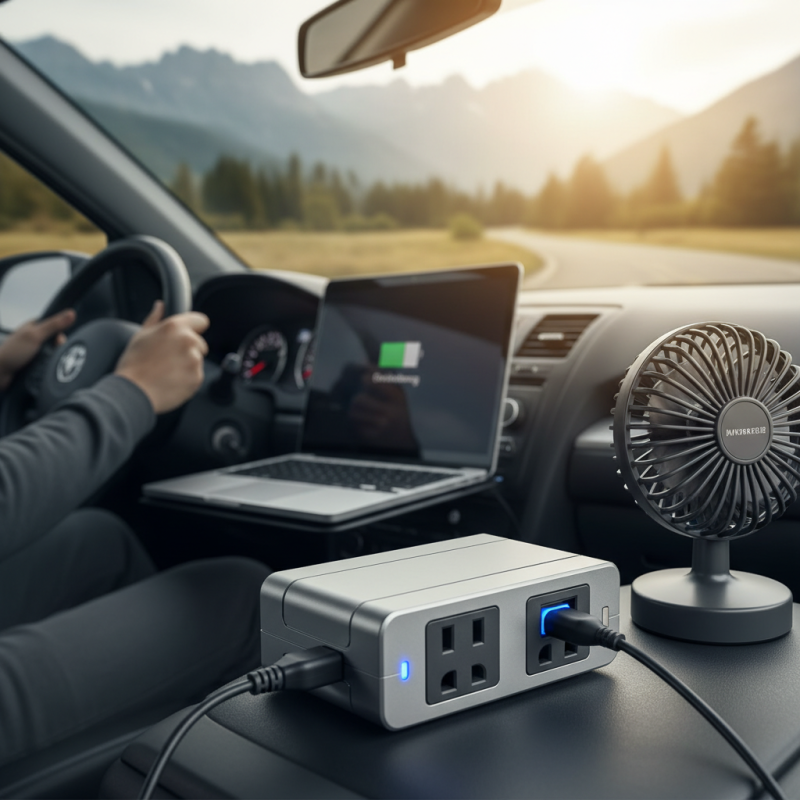
A vehicle power inverter converts DC power from your car's battery into AC power. This allows you to power various electrical devices on the go. Inverters can supply power to laptops, small appliances, and more. Typically, they have a power output range of 100 to 3000 watts. Many drivers find them essential for camping trips or emergency situations.
Understanding how a vehicle power inverter works is crucial. The inverter uses electronic circuitry to change the direct current from the battery into an alternating current. Efficiency is a common concern. Reports indicate that many inverters operate at about 80-90% efficiency. This means some energy is lost during conversion.
Tips: Always check your device’s power requirements before connecting it to an inverter. Overloading can cause damage. Ensure your vehicle's battery can handle the load, especially for extended use. Regular maintenance of your inverter can prevent performance issues. Be cautious, as improperly used inverters can lead to battery drain.
Types of Vehicle Power Inverters
Vehicle power inverters are crucial for converting DC power from a vehicle's battery into AC power for various appliances. There are several types of vehicle power inverters available today. Understanding these types can help users choose the right one for their needs.
One common type is the modified sine wave inverter. These are cost-effective and lightweight, making them popular for everyday use. They provide adequate power for basic devices but may not be suitable for sensitive electronics. In fact, around 25% of users experience compatibility issues with such devices. It’s important to be aware of these limitations.
Pure sine wave inverters are another option. They create a cleaner electrical signal and can power delicate equipment. Users looking to operate high-end electronics should consider these options. Reports indicate that pure sine wave inverters deliver a stable current, reducing risks of damage to devices. However, they tend to be pricier.
Lastly, there are portable inverters designed for outdoor use, including camping and tailgating. These inverters can vary widely in size and output capacity. Users often overlook their power requirements, leading to insufficient charging capabilities. This oversight can be a significant issue during outings when reliable power is essential.
How Vehicle Power Inverters Work
A vehicle power inverter is a handy device. It converts DC (direct current) from your vehicle’s battery into AC (alternating current). This allows you to power household devices while on the road. Many people use inverters for camping, road trips, or emergencies.
So how do vehicle power inverters work? They take the 12-volt DC power from the battery. Inside the inverter, circuits change this voltage. A transformer then amplifies the voltage to 120 volts AC. This process enables many tools and appliances to function. It’s simple but effective.
Despite their usefulness, inverters can have downsides. Overloading can cause issues. They may not work well with sensitive electronics. Care should be taken when using them. Fuel consumption could increase since the engine works harder. Attention to detail is essential for safe operation. Always think critically about your power needs before using one.
Common Applications of Vehicle Power Inverters
Vehicle power inverters are vital tools for converting DC power from a vehicle's battery into AC power. These devices serve numerous applications, making them increasingly popular among road users.
One common application of vehicle power inverters is in camping. Campers rely on inverters to power small appliances, charging devices like laptops and smartphones. A report from the Outdoor Industry Association highlights that around 46% of campers use electrical devices during trips. This trend shows the growing importance of reliable power sources on outdoor adventures.
Another significant use is in emergency situations. During power outages, vehicle inverters can supply energy to essential home appliances. According to the U.S. Department of Energy, approximately 3 million people experience power outages each year. Having a power inverter can be a lifesaver in these circumstances.
Tip: When selecting a power inverter, consider the total wattage of devices you plan to use. It's wise to choose an inverter with slightly higher wattage than needed to avoid overloading.
One must remember that using inverters isn’t without challenges. Some vehicles may not support high-wattage inverters. Additionally, efficiency can vary. Users should assess their needs carefully to ensure adequate performance. This reflection helps prevent frustration and keeps plans on track.
What is a Vehicle Power Inverter and How Does It Work? - Common Applications of Vehicle Power Inverters
| Application | Power Requirement (Watts) | Inverter Type | Usage Example |
| Mobile Phone Charging | 10-50 | Modified Sine Wave | Charging smartphones and tablets on the go. |
| Laptop Power Supply | 50-200 | Pure Sine Wave | Powering laptops while traveling. |
| Refrigerator Operation | 100-800 | Pure Sine Wave | Keeping food and drinks cold during camping. |
| Television & Audio Equipment | 50-300 | Modified Sine Wave | Watching movies on road trips. |
| Power Tools | 400-1500 | Pure Sine Wave | Using power drills or saws at job sites. |
Benefits of Using a Vehicle Power Inverter
A vehicle power inverter converts DC power from a car battery into AC power. This transformation allows you to use standard household appliances on the go. It opens up possibilities while traveling. Imagine charging your laptop or running a mini fridge during a roadside break. The convenience is hard to ignore.
Using a power inverter can enhance your road trips. You can enjoy music from a larger speaker. It’s also great for camping or tailgating. Friends can watch movies outdoors powered by your vehicle. However, it’s important to know its limits. Overloading the inverter can lead to issues.
Power inverters can also help in emergencies. If there’s a power outage, you might power essential devices. But not all inverters are created equal. Some may not provide stable power. Testing your equipment is wise. Consider run times and battery drain carefully. This helps avoid surprises later.
Power Consumption of Common Vehicle Accessories