What Are the Top Rooftop Solar Panels for Global Buyers?
Choosing the best rooftop solar panels for global buyers requires more than comparing wattage or glossy product images. A panel that performs well in sunny Spain may behave differently on a humid Thai roof or beneath winter snow in Canada. Roof direction, shading, temperature, wind exposure, and local grid rules all affect real output.
Fatih Birol, Executive Director of the International Energy Agency, described solar PV and wind as “the new king and queen of the global energy system.” His observation highlights solar’s expanding role, but it does not make every panel suitable for every home. Buyers still need evidence. Look for independent performance testing, recognized safety certifications, transparent degradation rates, and warranties with dependable regional support. A strong product usually combines high efficiency with stable performance during heat, weak light, and partial shading. Not always.
This guide examines leading rooftop solar panels through a practical global lens. It considers efficiency, temperature coefficients, mechanical strength, product durability, installer availability, and long-term service conditions. It also examines panel size, because a powerful module may be difficult to handle on a narrow roof. Real households face imperfect roofs, uneven sunlight, and changing electricity prices. Manufacturer reputation matters, but it is not enough. A famous brand can still be poorly matched to a specific climate or installation team. The best choice is therefore not one universal winner. It is the panel that fits the roof, budget, climate, maintenance expectations, and local energy system most convincingly. Small details matter. Some recommendations may change as technology, supply chains, and certification requirements evolve.
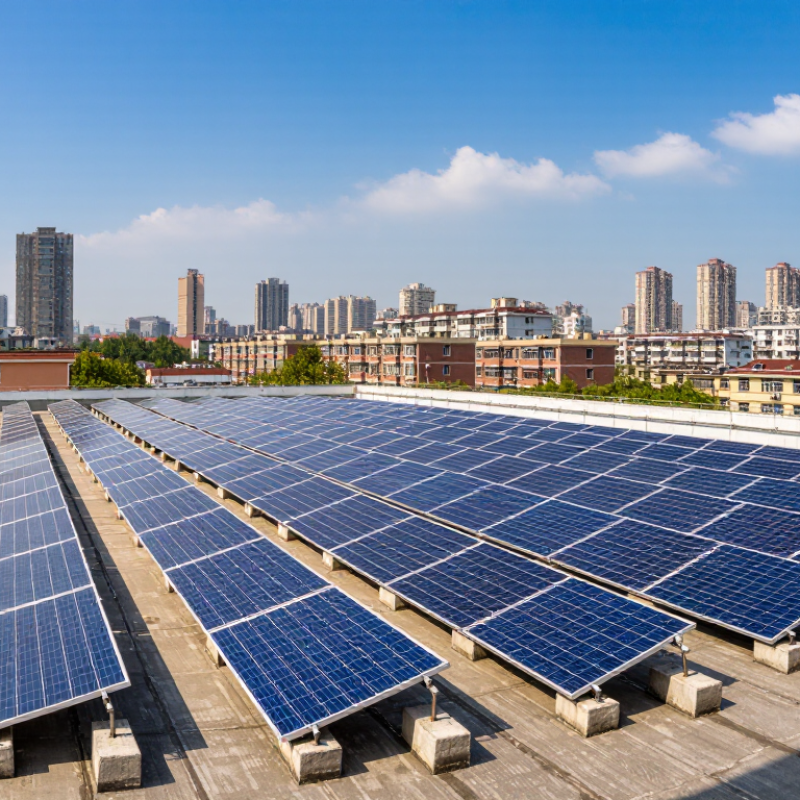
Solar Panel Types Suitable for Rooftop Installation Worldwide
Rooftop solar panels must match the roof, climate, and local installation conditions. No single type wins every project. Monocrystalline panels usually suit limited roof space because they offer high power density. They work well on urban homes, warehouses, and commercial buildings with strong sunlight. IRENA’s Renewable Capacity Statistics 2024 recorded 1,419 GW of global solar photovoltaic capacity by the end of 2023. That scale reflects growing confidence in mature photovoltaic technology.
Polycrystalline panels can remain practical where roof area is larger and upfront cost matters. Their blue appearance is familiar, but their efficiency is generally lower than monocrystalline designs. Thin-film panels deserve attention on lightweight roofs or surfaces with unusual shapes. They often perform more evenly under diffuse light and high temperatures. However, they usually need more installation space. That trade-off is easy to underestimate.
Bifacial panels can generate energy from both sides when the roof has a bright surface and sufficient panel clearance. They are more suitable for reflective commercial roofs than tightly mounted residential roofs. IEA PVPS Trends 2024 reported more than 400 GW of new photovoltaic capacity installed globally in 2023, showing how quickly rooftop choices are expanding. Field inspections still matter. Shading, wind exposure, dust, drainage, and roof age can outweigh laboratory efficiency. A technically impressive panel may be the wrong choice for a fragile roof. The best selection should combine measured site data, verified performance records, and realistic maintenance planning.
What Are the Top Rooftop Solar Panels for Global Buyers?
Solar Panel Types Suitable for Rooftop Installation Worldwide
| Panel Type |
Typical Module Efficiency |
Typical Power Range |
Temperature Coefficient |
Expected Service Life |
Best Rooftop Application |
Global Climate Suitability |
| Monocrystalline Silicon |
19%–23% |
350–550 W |
About −0.30% to −0.40%/°C |
25–30 years |
Limited roof area, residential rooftops, and projects prioritizing high energy yield per square metre. |
Suitable for most climates; performance decreases as cell temperature rises. |
| PERC Monocrystalline |
20%–22% |
400–550 W |
About −0.30% to −0.38%/°C |
25–30 years |
Cost-conscious rooftop systems requiring a strong balance between efficiency and availability. |
Suitable for sunny, temperate, and warm regions; shading and high heat should be assessed during design. |
| TOPCon N-Type Silicon |
21%–24% |
430–650 W |
About −0.28% to −0.32%/°C |
30 years or more |
High-output residential, commercial, and industrial roofs where long-term energy production matters. |
Well suited to hot climates and high-irradiance locations because of improved temperature and degradation performance. |
| Heterojunction Silicon |
21%–24% |
400–650 W |
About −0.24% to −0.30%/°C |
30 years or more |
Premium rooftops with restricted space, high ambient temperatures, or demanding lifetime output targets. |
Especially attractive in hot climates; installation cost and product availability may be higher. |
| Bifacial N-Type Silicon |
20%–23% front-side rating |
400–650 W |
About −0.28% to −0.35%/°C |
30 years or more |
Flat commercial roofs, elevated mounting systems, and roofs with reflective surfaces that can provide rear-side light. |
Most effective in bright regions; rear-side gain is limited on closely mounted or opaque roofs. |
| Cadmium Telluride Thin-Film |
16%–19% |
100–500 W |
About −0.20% to −0.30%/°C |
25–30 years |
Large, low-slope commercial roofs where available area is ample and hot-weather performance is important. |
Performs relatively well in hot climates and diffuse light, but requires more roof area than crystalline silicon. |
| CIGS Thin-Film |
13%–17% |
100–350 W |
About −0.25% to −0.35%/°C |
20–25 years |
Lightweight or architecturally constrained roofs where flexibility and low weight are more important than maximum power density. |
Useful in warm and partly cloudy regions, subject to local product availability and certification requirements. |
| Amorphous Silicon Thin-Film |
6%–10% |
50–150 W |
About −0.20% to −0.30%/°C |
15–25 years |
Specialty rooftops with very low structural capacity or substantial unused roof area. |
Can perform under diffuse light, but its low efficiency makes it less practical for space-constrained rooftops. |
Buyer guidance:
Actual performance depends on module design, inverter selection, roof orientation, shading, ventilation, snow or wind loads, local regulations, and installation quality. Efficiency, power, temperature-coefficient, and service-life figures are typical market ranges rather than guaranteed values.
Key Performance Factors for Comparing Rooftop Solar Panels
For global buyers, rooftop solar panels should be compared by measurable performance, not appearance alone.
Start with rated power, conversion efficiency, and temperature coefficient. A high-wattage panel may produce more electricity, but efficiency matters when roof space is limited. Temperature coefficient shows how much output falls on hot days. This detail matters in sunny regions where rooftops can exceed 60°C. Check performance under realistic conditions, not only laboratory ratings.
Durability also affects long-term value.
Review resistance to wind, snow, humidity, salt mist, and repeated temperature changes. Coastal installations need strong corrosion protection. Ask suppliers for independent test reports and clear degradation data. A reliable panel should retain most of its output after 25 or 30 years. Warranty wording deserves careful reading. Some documents sound impressive but exclude installation errors, transport damage, or unusual weather.
Electrical compatibility can prevent expensive problems.
Confirm voltage, current, inverter limits, connector quality, and rooftop fire-safety requirements before ordering. Installers should inspect shade from chimneys, trees, and nearby buildings at different times of day. Even a small shadow can reduce a string’s output. Bifacial panels may help on bright roofs, but their benefit depends heavily on ground reflection and mounting height. The best technical choice is not always the highest-rated panel. A cheaper panel with dependable testing and local service may perform better in practice. Buyers should remain cautious, because published figures rarely capture every rooftop’s daily reality.
Leading Rooftop Solar Panel Technologies for Global Buyers
What Are the Top Rooftop Solar Panels for Global Buyers?
Leading rooftop solar panel technologies now focus on efficiency, durability, and flexible installation. The International Renewable Energy Agency reported 451.9 gigawatts of solar capacity added globally in 2024. That represented about 77% of all renewable capacity additions. For compact urban roofs, high-efficiency monocrystalline modules can produce more power from limited space. TOPCon and heterojunction designs also offer strong temperature performance and lower degradation. Bifacial modules may capture reflected light from bright roofs or open terraces. Their benefit is smaller on dark, shaded surfaces.
Real-world selection requires more than a laboratory efficiency figure. Buyers should examine temperature coefficients, mechanical-load ratings, product warranties, and independent test results. The International Energy Agency expects solar power to provide most new renewable capacity through 2030. That growth increases the importance of reliable installation and long-term maintenance. A poorly aligned panel still performs poorly. I have seen rooftop plans fail because installers ignored morning shadows from water tanks. Certification under recognized IEC standards helps, but certification alone cannot guarantee local performance.
Tips:
Measure roof area and shading across different seasons. Compare annual energy estimates, not only peak wattage. Ask for degradation data and recycling arrangements. In hot climates, prioritize ventilation beneath modules and a lower temperature coefficient. In snowy or coastal regions, check wind, snow, and corrosion ratings. No technology wins every roof. Some buyers may overpay for premium efficiency when adding two more panels would cost less. That trade-off deserves careful review.
How Climate and Roof Conditions Affect Panel Selection
What Are the Top Rooftop Solar Panels for Global Buyers?
Climate often matters more than a panel’s advertised efficiency. In hot regions, choose modules with a strong temperature coefficient. Excessive heat can reduce daily output, especially on dark roofs with limited airflow. Dusty environments also require smooth surfaces and safe access for regular cleaning. In coastal areas, salt mist can accelerate corrosion, so verified resistance testing deserves close attention. Wet climates need careful cable routing and mounting hardware that limits water entry.
Roof conditions can change the right choice completely. A steep metal roof may need lightweight modules and secure clamps. Flat concrete roofs often require raised frames, ballast planning, and wind-load calculations. Heavy snowfall demands stronger support structures, not simply larger panels. Shade from chimneys, trees, or nearby buildings can make a lower-output panel perform better if its system handles uneven sunlight well. Small details matter.
A professional assessment should check roof age, structural capacity, drainage, ventilation, and local weather records. Ask for independent test documents, installation guidance, and warranty terms written in clear language. Ratings alone can mislead. I once assumed the highest efficiency would be the safest decision, but roof access and heat changed that judgment. The overlooked issue was maintenance space. Buyers should also confirm electrical compatibility with the inverter and local grid requirements. Some choices still involve compromise.
Top Rooftop Solar Panel Options for Global Buyers
Typical power temperature coefficients by panel technology
How to read this chart: A less negative temperature coefficient generally means lower power loss as module temperature rises. This is especially important for hot climates, dark roofs, and rooftops with limited ventilation.
High-efficiency crystalline-silicon technologies are often suitable for space-constrained roofs. Panels with stronger temperature performance can be advantageous in tropical and desert climates, while low-light performance and suitable mounting angles matter more in cloudy or high-latitude regions. Roof load capacity, wind exposure, snow accumulation, shading, and available area should be checked before final selection.
Values are representative industry ranges expressed as typical midpoint estimates; actual performance varies by module design, installation method, and operating conditions.
Installation, Warranty, and Cost Considerations Across Markets
What Are the Top Rooftop Solar Panels for Global Buyers?
The strongest rooftop panels combine stable output, verified safety testing, and dependable performance in harsh climates.
High efficiency helps when roof space is limited. However, efficiency alone does not determine value. Panels should match local sunlight, temperature, wind, snow, and humidity conditions. Measure twice. A qualified installer should inspect roof age, structure, drainage, and cable routes before quoting. In coastal areas, corrosion resistance deserves extra attention.
Installation costs vary widely between markets.
Labor, permits, scaffolding, grid connection fees, taxes, and battery requirements can change the final price. A lower equipment quote may hide expensive roof reinforcement or difficult access. Ask for an itemized proposal. Good planning matters. Buyers should compare annual energy estimates using local weather data, not ideal laboratory figures. Some estimates remain uncertain, especially where shading changes during the year.
Warranty terms need careful reading.
Product coverage, performance guarantees, and installation workmanship are separate protections. Check who handles claims, how long support remains available, and whether transport costs are included. A performance guarantee may allow gradual output loss, rather than promising unchanged production. That detail is easy to miss. Buyers should also review inverter lifespan, monitoring access, replacement procedures, and recycling arrangements. In some markets, currency changes and limited spare parts can affect long-term costs. The best choice is often the panel system with transparent assumptions, realistic maintenance planning, and documented local compliance.