




Choosing the best solar panels for home in 2026 requires more than comparing wattage and price. A higher-rated panel may produce more electricity, but it may not suit every roof, climate, or household budget. Roof direction, shading, local weather, and available installation space all affect real-world performance.
Look beyond marketing claims. Check efficiency, temperature coefficient, annual degradation, product warranties, and performance guarantees. Independent testing can reveal how panels behave under heat, low light, and heavy snow. A reliable installer should also assess your roof condition, electrical system, and local connection requirements before recommending equipment. Get several detailed quotes.
Small differences matter.
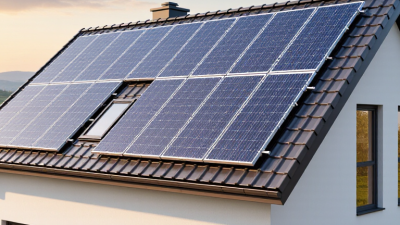
For example, a shaded chimney can reduce output across part of an array. Microinverters or power optimizers may help, although they can increase system cost and maintenance complexity. Battery storage also deserves careful consideration. It may improve backup power and evening usage, but it is not automatically economical for every home.
No panel is perfect. I have found that the cheapest quote often hides important details, such as weaker warranties, limited monitoring, or unclear labor coverage. Buyers should question impressive estimates and request realistic production figures for their specific address. This guide examines the practical factors behind solar purchases in 2026, helping homeowners balance energy savings, durability, installation quality, and long-term value.
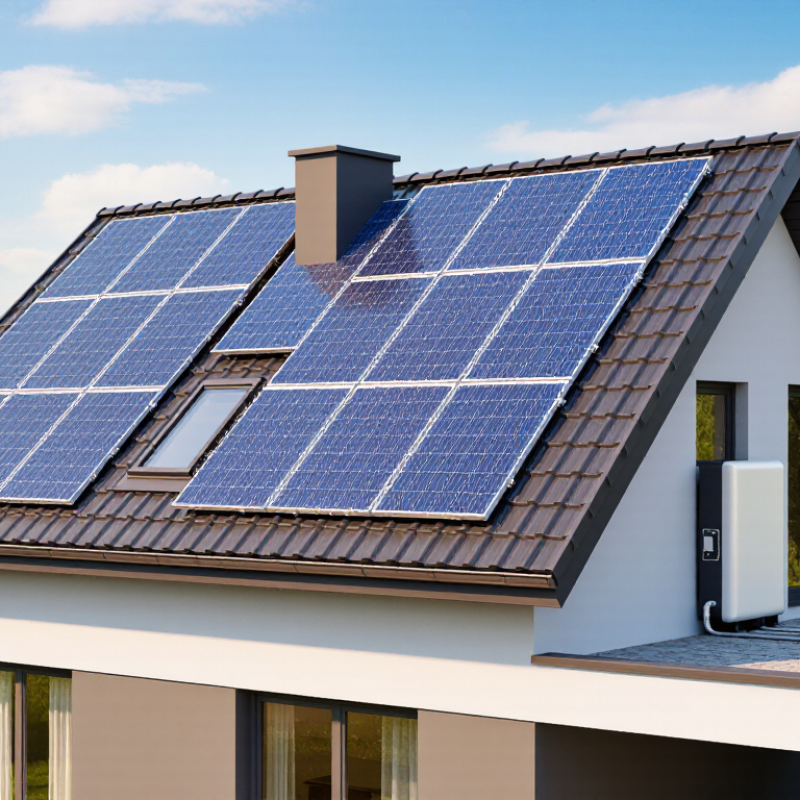
Understanding panel types makes home energy planning more practical.
Monocrystalline panels usually deliver high efficiency from limited roof space. They suit compact roofs, although their upfront cost can be higher.
Polycrystalline panels may offer a lower purchase price. Their efficiency is often slightly lower, so they need more roof area.
Thin-film panels are lightweight and flexible. They can perform well on unusual surfaces, but many homes require extra installation space.
Look beyond the panel label.
Measure your roof’s usable area, direction, pitch, and afternoon shade. A chimney’s shadow can reduce output across several modules. Local weather matters too. In hot regions, compare temperature coefficients, not just peak efficiency. Bifacial panels may produce extra electricity when reflected light reaches their rear side. They need suitable spacing and bright ground surfaces. Otherwise, the advertised advantage may remain mostly theoretical.
Match the system to daily habits.
A family working from home may need more daytime generation. An evening-heavy household may benefit from battery storage. Review independent performance tests, degradation rates, safety certifications, and warranty conditions.
Ask an accredited installer to check structural loads, wiring, inverter sizing, and local electrical rules.
I once focused too heavily on efficiency and underestimated winter shade. That mistake changed the design. Numbers help, but the roof tells the fuller story.
Track your monthly electricity use before choosing capacity. Five years of bills reveal patterns that a single estimate can hide.
Choosing the best solar panels for a home in 2026 requires more than comparing efficiency percentages. Efficiency shows how much sunlight becomes electricity, but roof space changes the decision. A compact roof may benefit from high-efficiency panels. A larger roof may produce enough power with moderately efficient options. Check power output in watts, not just the headline rating.
Performance under real conditions matters. Review temperature coefficients, low-light behavior, and annual degradation rates. Hot panels usually produce less electricity, especially during summer afternoons. Ask for test reports from recognized independent laboratories. Installation experience also matters. A shaded chimney, dusty surface, or poor roof angle can reduce output sharply. I have found that predicted production often looks cleaner than real household data. That gap deserves honest attention.
Tips:
Compare annual kilowatt-hour estimates, not only panel wattage. Request a roof shading study and inspect the warranty terms carefully. Leave room for inverter losses and seasonal changes. A panel that performs well in January may behave differently in July. Check local solar conditions using several months of measured sunlight. Do not assume the most expensive option is automatically more reliable. Reviewers and installers can make mistakes, so question unusually perfect claims. A small spreadsheet can expose weak assumptions before you sign.
Choosing the best solar panels for a home in 2026 starts with the roof, not the product brochure. Measure its usable area, pitch, orientation, and structural condition. A south-facing roof may produce strong output, but east- and west-facing sections can spread generation across morning and afternoon. Partial shade from chimneys or trees changes the design. Small shadows matter.
Climate should guide panel construction. In hot regions, compare temperature coefficients because output usually falls as panels heat up. Coastal homes need strong protection against salt air and humidity. Areas with hail or heavy snow require certified impact and load resistance. High-efficiency panels can help when roof space is limited, but they may cost more per watt. That trade-off deserves a careful calculation.
Your electricity habits complete the decision. Review twelve months of bills, then consider future loads such as an electric vehicle, heat pump, or home office. A larger system is not automatically better if local export rules limit payments for unused power. Ask a qualified installer to model seasonal production, shading, roof loading, and battery needs. Request clear assumptions, equipment warranties, and maintenance expectations. Be skeptical of perfect estimates. Weather, dust, and changing household habits can reduce actual results. It is easy to overfocus on efficiency while ignoring installation quality and access for repairs. A modest system on the right roof may perform better than a larger system designed for the wrong one.
Choosing home solar panels in 2026 starts with your roof, not a product brochure. Measure usable roof area, shading, orientation, and annual electricity use. A south-facing roof is not always necessary, but heavy afternoon shade can reduce output. Field experience shows that installers sometimes overstate production by ignoring seasonal shadows. Ask for a monthly estimate, then compare it with twelve months of utility bills. Small details matter.
Compare total cost, not panel price. Include design, permits, electrical upgrades, labor, monitoring, and maintenance. Request an itemized written quote. A low bid may exclude roof repairs or a service-panel upgrade. Read every warranty carefully. Separate product, performance, inverter, and workmanship coverage. Check who handles claims and whether labor is included. A long performance warranty sounds reassuring, yet its degradation assumptions may matter less than installation quality.
Before signing, verify the installer’s license, insurance, training, and recent local references. Confirm mounting methods, roof penetrations, inspection steps, and grid-connection responsibilities. Ask what happens if a panel fails during a hot July week. Clear answers build trust. Long-term value depends on usable energy, financing terms, roof condition, and maintenance access. Batteries can improve resilience, but they may weaken the financial case for homes with modest evening use. I would leave room for uncertainty. Weather, utility rates, and household habits change. A spreadsheet helps, but it is not a crystal ball. Recheck assumptions annually.
Choosing the best solar panels for home in 2026 requires more than comparing power ratings. Certification should be your first practical check. Look for recognized safety and performance testing under applicable electrical standards. Ask for current certificates, test reports, and installation documents. A printed logo alone proves little. Confirm that the certificate matches the exact panel model.
Technology is moving quickly. High-efficiency cell designs can produce more electricity from a smaller roof area. Bifacial panels may help when light reflects from bright surfaces, but their benefit can be limited on dark shingles. Temperature performance, shade behavior, degradation rates, and warranty conditions deserve careful attention. I once focused too much on efficiency and overlooked roof space. That was a costly mistake. More output per panel is not always better value.
Installer quality often decides whether the system performs well for decades. Request proof of licensing, insurance, recent permits, and completed local projects. A reliable installer should inspect roof age, wiring, drainage, snow, wind, and afternoon shading before quoting. Ask for a clear production estimate, labor warranty, maintenance plan, and responsibility for future repairs. Speak with recent customers, not only selected testimonials. Be cautious when a salesperson avoids technical questions or promises perfect savings. I have seen rushed layouts create difficult cable routes and unnecessary roof penetrations. Good workmanship is usually quiet, documented, and easy to inspect.
| Evaluation Area | What to Check | Practical 2026 Benchmark | Why It Matters | Required Evidence |
|---|---|---|---|---|
| Product Safety Certification | Confirm that the panel has current safety certification for the installation market. | IEC 61730 or an equivalent recognized electrical-safety standard; local code approval where required. | Reduces electrical, fire, and installation risks and supports permitting. | Certificate number, issuing laboratory, scope, and validity date. |
| Performance Certification | Check whether the panel design has completed recognized design and performance testing. | IEC 61215 or an equivalent recognized photovoltaic-module performance standard. | Indicates that the module has undergone testing for durability and performance under defined conditions. | Public test report or certificate matching the exact model and revision. |
| Mechanical Load Rating | Compare wind, snow, hail, and mounting-load ratings with local conditions. | Use the certified rating required by local building codes; higher ratings may be appropriate in heavy-snow, coastal, or storm-prone areas. | Helps prevent structural damage and premature module failure. | Datasheet values, mounting instructions, and site-specific engineering review. |
| Cell Architecture | Identify whether the module uses newer n-type designs, such as TOPCon, heterojunction, or back-contact cells. | Prioritize a published efficiency, temperature coefficient, and degradation profile rather than the technology label alone. | Modern cell architectures can improve output, especially where roof area is limited or temperatures are high. | Independent datasheet, certified test conditions, and product warranty terms. |
| Rated Module Efficiency | Compare efficiency at standard test conditions and calculate output per available roof area. | Approximately 20%–24% is a realistic residential range for many current high-quality modules; verify the exact model. | Higher efficiency can produce more electricity from a small or partially constrained roof. | Rated power, module dimensions, efficiency percentage, and tolerance range. |
| Temperature Performance | Review the power temperature coefficient. | A less-negative coefficient, commonly around −0.24% to −0.35% per °C, generally performs better in hot conditions. | Panel power normally decreases as cell temperature rises above the test reference temperature. | Temperature coefficient stated in the official electrical datasheet. |
| Annual Degradation | Check the guaranteed power-retention schedule rather than only the headline warranty length. | Many current products specify roughly 0.3%–0.5% annual degradation after the first year; confirm the exact guarantee. | Lower degradation preserves more energy production over the system’s operating life. | Written year-by-year performance warranty and claim procedure. |
| Bifacial Capability | Determine whether the rear side can generate useful electricity and whether the roof allows reflected light. | Useful mainly with suitable mounting height, reflective surfaces, and limited rear-side shading; the gain is site-dependent. | A bifacial rating does not guarantee a fixed percentage increase on every residential roof. | Rear-side electrical data, mounting requirements, and a site-specific production estimate. |
| Low-Light and Shading Design | Assess roof orientation, shadows, dormers, vents, and panel-level power electronics. | Use module-level optimization or separate electrical strings when shade varies significantly across the roof. | System layout and electronics can affect annual yield as much as small differences in panel efficiency. | Hourly or monthly shade analysis, string diagram, and modeled annual energy yield. |
| Product and Workmanship Warranty | Separate the panel product warranty, performance warranty, inverter warranty, and installation workmanship warranty. | Residential panel warranties commonly cover product defects for about 12–25 years and performance for about 25–30 years; terms vary. | Different failures may be handled by different parties, creating gaps if responsibilities are unclear. | Complete warranty documents, exclusions, labor coverage, transfer rules, and response times. |
| Installer Licensing | Verify current electrical, roofing, and solar installation licenses required in the project location. | License numbers should be active, match the contracting entity, and show no unresolved disciplinary action. | Improves code compliance and protects access to permits, incentives, and warranty support. | Official license-register record and copies of required trade credentials. |
| Insurance and Safety Record | Confirm general liability, workers’ compensation, and appropriate vehicle or roofing coverage. | Coverage should remain valid throughout construction and meet local contract requirements. | Reduces financial exposure from property damage, injuries, and installation accidents. | Insurance certificates issued directly by the insurer or authorized broker. |
| Site Survey Quality | Require an in-person or technically adequate assessment of roof condition, electrical service, shading, and structural capacity. | Proposal should document roof age, attachment method, electrical upgrades, setbacks, and expected production. | Prevents change orders, leaks, undersized equipment, and unrealistic energy estimates. | Annotated roof plan, single-line diagram, structural notes, and production model. |
| Permitting and Interconnection | Clarify who handles building permits, electrical inspections, utility approval, and permission to operate. | All required approvals should be obtained before the system is energized. | Unapproved work can delay operation, incentives, insurance claims, or utility connection. | Permit applications, inspection records, utility approval, and final commissioning documents. |
| Installer Experience and References | Ask for recent installations with similar roof types, electrical conditions, and system sizes. | Evaluate several verifiable references from projects completed within the last 12–24 months. | Relevant experience is more useful than a large installation count alone. | Reference contacts, photographs, completion dates, and permission to inspect comparable work. |
| Quote Transparency | Compare total installed cost, system capacity, expected annual output, exclusions, and payment schedule. | A complete quote should identify equipment quantities, labor, permits, roof work, taxes, monitoring, and disposal fees. | Transparent pricing makes proposals comparable and limits unexpected costs. | Itemized contract, production assumptions, change-order policy, and cancellation terms. |
| Post-Installation Support | Check monitoring access, service response, maintenance responsibilities, and warranty-claim assistance. | Obtain a written process for fault notifications, system shutdown, repairs, and escalation. | Long-term service quality affects system availability and the real value of warranties. | Operations manual, monitoring login, commissioning report, service-level terms, and support contact. |
Note: Certification requirements, electrical codes, incentives, and installer licensing rules vary by location. Verify the current requirements with the relevant authority before signing a contract.
No, I will think about it in future.